
Breaking Down the Cost of Becoming a Licensed Psilocybin Facilitator in Oregon
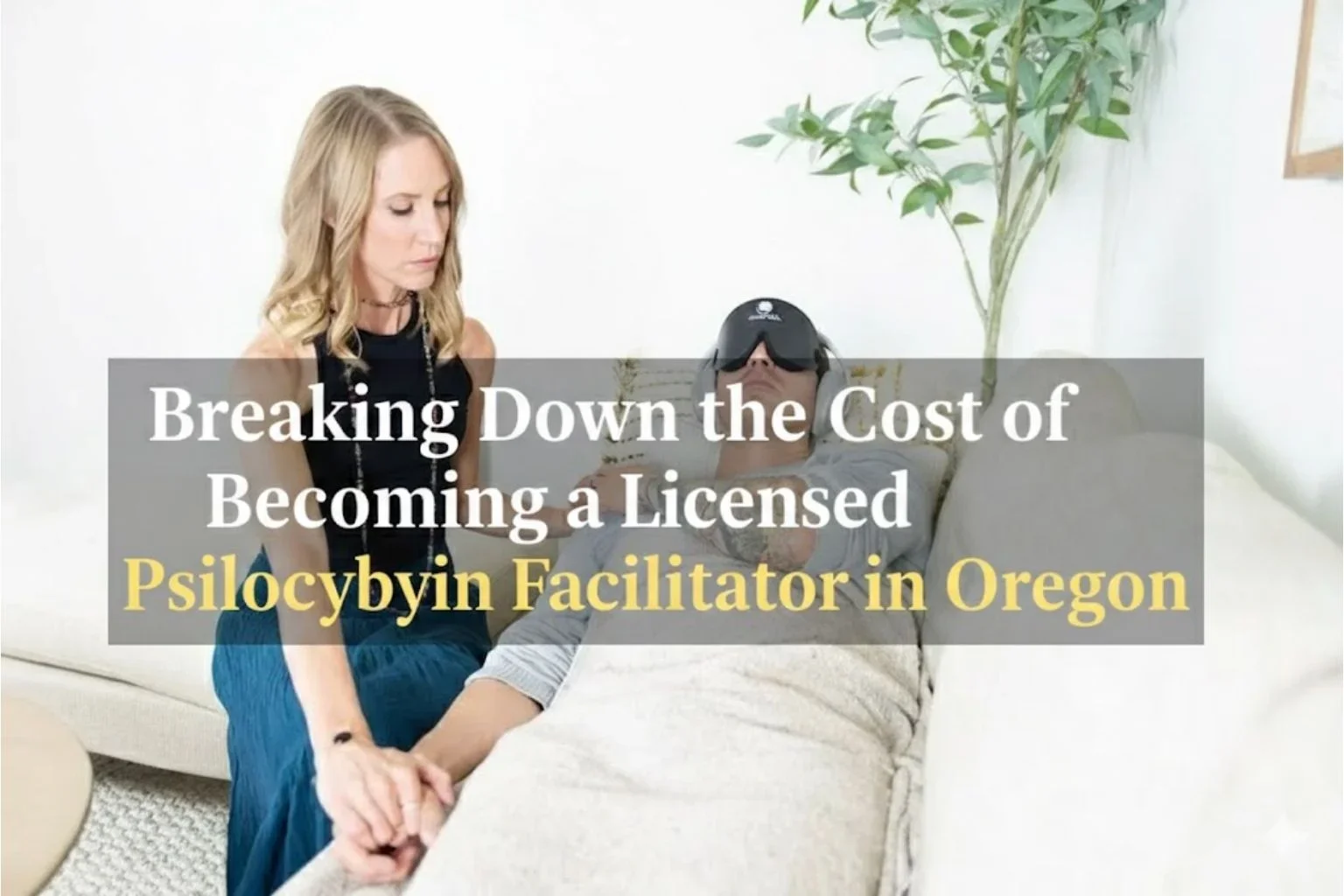
The controlled psilocybin initiative in Oregon has established a novel professional avenue that is based on organized facilitation, responsibility, and societal regulation. With the rising popularity, a large number of the aspiring facilitators start by doing research on the psilocybin Oregon cost of becoming licensed, they often find out that the financial requirement is much more complicated than anticipated.
The total investment is made up of training requirements, state oversight, and compliance in the long run. Instead of providing a single flat amount, the costs are distributed throughout education, licensing and professional requirements which occur over time.
This guide will categorize those costs into smaller details and hopefully you get to know what you are buying, what is the purpose behind each requirement, and how to have a realistic plan before taking the facilitator route.
Understanding Psilocybin Services in Oregon
Measure 109 made Oregon the first state to legalize regulated psilocybin services.
This developed an organized framework that is managed by the Oregon Psilocybin Services, which is under the Oregon Health Authority.
Within this system, certified facilitators take adults through controlled psilocybin sessions in authorized services facilities. Medical conditions are not prescribed, diagnosed or treated by the facilitators. As an alternative, they give preparation, support in the process and integrations after the session.
Due to the workload, Oregon has imposed tough training and licensing measures- and that is not free.
What Does a Psilocybin Facilitator Do?
Before diving into numbers, it helps to understand the role itself. A licensed psilocybin facilitator in Oregon is responsible for:
Preparing clients for their psilocybin experience
Supporting clients during the session in a licensed facility
Helping clients integrate insights after the session
Following strict ethical, safety, and documentation standards
This level of responsibility explains why psilocybin therapy Oregon cost includes extensive education and supervised practice rather than a short certification.
Core Training Costs: The Largest Expense
The largest share of the psilocybin cost in Oregon comes from the mandatory training required to qualify as a licensed facilitator. Oregon’s regulatory framework places heavy emphasis on education and supervised experience to ensure facilitators are prepared to work safely, ethically, and within clearly defined boundaries.
Required Hours
To meet state licensing standards, Oregon requires aspiring facilitators to complete a structured combination of classroom learning and hands-on experience. Specifically, the state mandates:
At least 120 hours of core coursework
At least 40 hours of supervised practicum
These hours are not optional and must be completed through an approved training program that aligns with Oregon’s regulatory requirements
Ethics, informed consent, trauma-informed facilitation, cultural responsibility, safety protocols, and legal compliance are normally mentioned in the coursework. The supervised practicum aspect aims at applying theory to real-life practice in the presence of a professional.
Due to such requirements, training is a significant and inevitable part of the total psilocybin Oregon cost.
Training Program Tuition
Training tuition varies depending on the provider, instructional format, and level of support offered throughout the program. On average, prospective facilitators can expect to pay:
$7,000 to $12,000 for a full facilitator training program
Programs at the higher end of this range often provide added value that goes beyond minimum compliance. These may include:
Smaller cohort sizes that allow for more individualized instruction
A greater number of live or instructor-led sessions
Extended or more structured practicum support
A strong focus on ethics, trauma-informed care, and cultural equity
Well-established programs such as Changa Institute offer comprehensive training pathways designed to meet Oregon’s standards while prioritizing facilitator competence and long-term professional readiness. Rather than fast-track certifications, these programs emphasize depth, supervision, and accountability.
This training investment forms the foundation of the total psilocybin Oregon cost and reflects the state’s intent to build a well-trained, responsible facilitator workforce.
Licensing and State Fees
Beyond training, facilitators must apply for an official license through Oregon Psilocybin Services
Application Fee
$150 (non-refundable)
This fee is paid when submitting your facilitator license application.
License Fee
$2,000 annually
This is required once your application is approved and must be renewed each year to remain licensed.
These state fees alone bring the baseline psilocybin cost in Oregon to over $2,000 before you ever facilitate a single session.
Background Checks and Compliance Costs
Oregon requires all facilitators to pass a criminal background check.
Typical costs include:
$50–$100 for fingerprinting and processing
While relatively small compared to training costs, these fees are mandatory and should be included in your budget.
Practicum-Related Expenses
Although the practicum hours are required, not all associated costs are always included in tuition.
Depending on your program, you may need to budget for:
Travel to practicum sites
Lodging if the practicum is in another city or state
Additional supervision hours if required
These expenses can add $500 to $2,000 to the total psilocybin therapy Oregon cost, especially for out-of-state participants.
Continuing Education and Renewal Costs
Becoming licensed is not a one-time expense.
To maintain licensure, facilitators must:
Complete continuing education
Renew their license annually
Stay compliant with evolving state rules
Training programs must also align with standards set by the Oregon Higher Education Coordinating Commission. While Oregon has not yet standardized continuing education costs, facilitators should expect ongoing annual expenses for courses, workshops, and professional development.
This makes the long-term psilocybin Oregon cost an ongoing financial commitment, not just an upfront one.
Total Estimated Cost: What Should You Expect?
When you add everything together, the realistic total cost to become a licensed psilocybin facilitator in Oregon typically falls within this range:
Estimated Total
$9,500 to $16,000+
This includes:
Training tuition
Practicum-related expenses
State application and licensing fees
Background checks
Costs may be higher if you choose premium training programs or need extensive travel for practicum completion.
Why the Oregon Psilocybin Cost Is Higher Than Expected
Many people assume facilitator training will be similar to a short wellness certification. In reality, Oregon’s system was intentionally designed to prioritize safety, ethics, and accountability, which is why the oregon psilocybin cost is often higher than people initially expect.
The higher psilocybin therapy Oregon cost reflects:
Rigorous education standards
Supervised hands-on experience
Legal and ethical accountability
Public health oversight
This structure aims to protect both facilitators and participants while legitimizing the field long term.
Is Becoming a Psilocybin Facilitator Worth the Cost?
Whether the investment is worth it depends on your goals.
For those seeking:
A career in emerging mental health services
Work aligned with personal growth and service
Long-term involvement in regulated psychedelic care
…the cost can be a strategic investment rather than an expense.
However, this path is not designed for quick returns. Most facilitators enter the field with a long-term perspective, understanding that credibility, experience, and trust take time to build.
Tips to Manage Psilocybin Oregon Cost
If you’re serious about becoming a facilitator, here are practical ways to manage expenses:
Compare training programs carefully—look beyond price alone
Confirm what practicum support is included
Budget for state fees early to avoid delays
Avoid programs promising “fast” or “cheap” certification
Cutting corners can ultimately cost more if training does not meet Oregon’s standards.
Frequently Asked Questions
How much is psilocybin therapy Oregon cost for facilitators to train?
Most facilitators spend between $9,500 and $16,000 from training through licensure.
Is financial aid available?
Some training providers offer payment plans, but federal financial aid generally does not apply.
Can I work in other states after licensing?
Oregon licensure only applies within Oregon. Other states have different or no regulatory frameworks.
How long does it take to become licensed?
Most candidates complete training and licensing within 9 to 18 months, depending on program structure and practicum timing.
Final Thoughts
Before taking the step towards psilocybin Oregon, it is best to know the complete price of the drug. Since it takes a monetary and a personal input, training and supervised practicum are only a part of the process of becoming a facilitator, along with licensing, renewals, and compliance that is supposed to be planned in advance.
The regulated framework of Oregon emphasizes greatly on responsibility, safety, and long-term professionalism. To those who are consistent with that route, the price will be more than a license, it will be access to a well-organized and churning discipline based on responsibility and practice ethics.
When you are thinking about this trip, you should come and see what the approved training providers offer and what is not offered in terms of tuition fees, as well as how much help you will get during the process. Other programs like Changa Institute offer formal training routes which comply with the needs of Oregon and are aimed at long-term preparation of facilitators instead of expediency to certification. The right program may be the difference between experience and results.