
Psilocybin Facilitator Training: Myths & Misunderstood
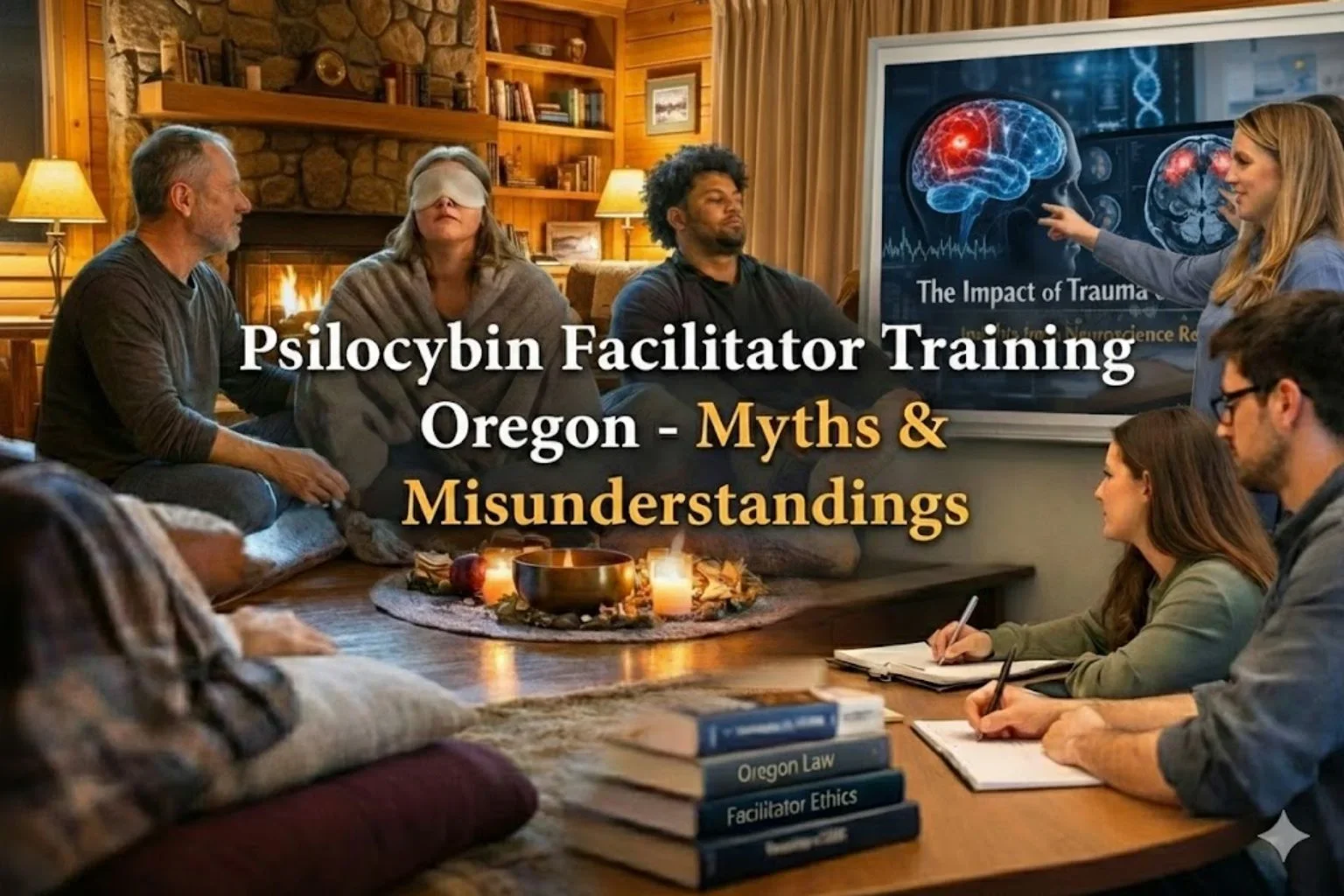
Facilitator education has quickly become popular as Oregon keeps setting the pace in regulated psilocybin service in the United States. With this proliferation have come a variety of myths and misconceptions, - especially confusing to people who are investigating psilocybin facilitator training in Oregon.
Since this work is created in the context of a highly controlled legal environment, proper information is crucial. The misconceptions may result in having unrealistic expectations, joining non-compliant programs, or having a false understanding of the role the facilitator is legally permitted to have.
The article talks about the most widespread myths associated with psilocybin training in Oregon and substitutes them with straightforward explanations based on the state laws and licensing practices.
Understanding Oregon’s Regulated Psilocybin Training Framework
Measure 109 In Oregon, the first state in the U.S., established a legal, regulated structure of psilocybin services. The Oregon Health Authority oversees these services, and the services are not provided within the conventional medical system.
Psilocybin facilitators are licensed therapists who offer assistance to adults in the course of psilocybin sessions at certified service facilities. Notably, Oregon psilocybin facilitator training is neither therapy training nor a medical or psychological treatment license.
Learning about this framework is the basis of distinguishing fact and fiction.
Myth 1: Psilocybin Facilitator Training Is the Same as Therapy Training
One of the most widespread misunderstandings is that facilitator training is equivalent to becoming a therapist or psychedelic counselor.
The reality:
The Oregon facilitators are trained in the non-directive facilitation. This implies that they do not process experiences, diagnose and offer psychotherapy. They are supposed to provide safety, facilitate preparation and integration, and space without interfering with the internal process of the client.
This is the key difference of the Oregon model of regulation and it is fully supported. Scientific studies are ongoing to assess the therapeutic value of psilocybin and the results put forward by the National Institutes of Health are highlighting its efficacy, safety factors and the emerging clinical uses.
Myth 2: You Need a Medical or Psychology Degree to Enroll
Many assume that only doctors, psychologists, or licensed therapists are eligible for psilocybin facilitator training Oregon.
The reality:
Oregon does not require a medical or mental health degree. To qualify, applicants must:
Be at least 21 years old
Hold a high school diploma or equivalent
Complete an OHA-approved training program
Pass a licensing exam and background check
This approach allows individuals from diverse professional and cultural backgrounds to participate responsibly.
Myth 3: Oregon Psilocybin Training Allows You to Practice Anywhere in the U.S.
Because Oregon’s program is often discussed nationally, some trainees believe certification applies across state lines.
The reality:
Licensure is state-specific. Completing psilocybin training in Oregon only authorizes practice within Oregon’s legal framework. Other states have different laws, timelines, or no legal pathways at all.
Anyone considering long-term work in this field should factor geographic limitations into their planning.
Myth 4: Facilitators Are Trained to “Guide” or Control Experiences
Media portrayals often depict facilitators as directing visions or shaping outcomes.
The reality:
Oregon training explicitly prohibits directing or influencing experiences. Facilitators are trained to:
Maintain a calm, supportive presence
Intervene only for safety or regulatory reasons
Encourage client autonomy
This non-directive model reduces harm and protects both clients and facilitators.
Myth 5: Completing Training Guarantees Immediate Employment
The rapid growth of interest in psilocybin services has created unrealistic expectations about job placement.
The reality:
Training makes individuals eligible for licensure, not employment. Job opportunities depend on:
Availability of licensed service centers
Location within Oregon
Professional readiness and reputation
Like any emerging field, employment develops gradually.
Myth 6: Psilocybin Facilitator Training Is Quick or Easy
Some people assume that psilocybin facilitator training in Oregon is similar to a short certification course or a weekend workshop. This misconception often comes from comparisons with unregulated wellness trainings or informal psychedelic education programs.
The reality:
One of the most stringent types of training in psilocybin services created in the United States is in Oregon. In order to be licensed, one should have a minimum of 120 hours of fundamental instructional coursework and 40 hours of practicum experience under supervision. These are the requirements of the state and they cannot be negotiated.
The coursework includes a diverse set of essential topics, such as ethics, cultural equity, trauma-informed care, client screening, safety measures, pharmacology, neuroscience and legal compliance. All the areas are aimed to equip the facilitators with emotional, psychological and legal obligations they will be having when handling clients.
On top of the classroom training, the practicum will provide the facilitators with the practical experience under the guidance. This practical element assists the trainees on how to act in complex situations, uphold professional lines and make the safety of the clients a priority in actual service situations. The intensity of this training is because of the seriousness of this job and the concern of the state to the trust of the people.
Myth 7: Facilitators Can Work Independently After Training
Another common misunderstanding is that facilitators can operate independently or offer private psilocybin services once they complete training.
The reality:
According to the Oregon laws, facilitators are not allowed to act independently. Every psilocybin service will be conducted in licensed psilocybin service centers approved and regulated by the Oregon Health Authority. The facilitators are expected to be members of these centers and work within their policies and management systems.
The reason is that this is necessary to have accountability, safety and regulations. The service centers are supposed to maintain adequate protocols, record keeping and client protections that are licensed. The facilitators in these settings enjoy the benefit of having a support system that is structured and at the same time lead to a uniform, transparent service model.
It is important to know this limitation to be able to expect realistically. Psilocybin facilitation in Oregon is not a model of private practice, and working outside licensed systems may attract severe legal penalties.
The Role of Reputable Training Providers
Because the field is highly regulated, choosing an approved training provider is critical. Reputable institutions such as Changa Institute emphasize compliance, ethics, and professional readiness.
Programs associated with Changa Institute are structured to meet Oregon Health Authority requirements while preparing facilitators for real-world service center environments. This level of structure helps dispel many of the myths surrounding Oregon psilocybin training.
What Aspiring Facilitators Should Know Before Enrolling
Before enrolling in Oregon psilocybin facilitator training, prospective students should take time to evaluate programs carefully and understand what legal, ethical, and professional practice truly involves.
Verify state approval
Ensure the training program is officially approved by the Oregon Health Authority and meets all regulatory requirements under Measure 109. State approval is essential for licensure eligibility and protects you from enrolling in non-compliant or unrecognized programs.Understand facilitator scope of practice
Facilitators are trained to provide non-directive support—not therapy, diagnosis, or medical treatment. Understanding this scope helps set realistic expectations and ensures your work remains within legal and ethical boundaries.Confirm practicum access
Oregon requires a minimum of 40 hours of supervised practicum experience at a licensed psilocybin service center. Before enrolling, confirm that the program provides clear pathways to completing this requirement without delays.Review ethical and legal expectations
Facilitators are held to high professional standards, including informed consent, confidentiality, cultural humility, and adherence to state regulations. Reviewing these expectations early helps you assess whether this responsibility aligns with your values and long-term goals.
Taking these steps helps protect both your investment and your professional future while preparing you for responsible participation in Oregon’s regulated psilocybin services system.
Conclusion: Separating Fact From Fiction in Oregon Psilocybin Training
The psilocybin program in Oregon will be a historic move in the provision of psychedelic services in the United States. Nevertheless, distortion can overshadow the facts about this piece.
Knowing the laws of the state and avoiding popular misconceptions and the use of generalized myths about the opportunities available to them, the future facilitator will be able to go on the right path, be responsible and confident enough to make a contribution to the integrity and sustainability of the Oregon model of regulated psilocybin services.
Frequently Asked Questions (FAQ)
Is psilocybin facilitator training legal in Oregon?
Yes. Oregon operates a regulated psilocybin services program under Measure 109, overseen by the Oregon Health Authority.
How long does psilocybin facilitator training take?
Approved programs include at least 120 hours of coursework and 40 hours of supervised practicum, typically completed over several months.
Can facilitators provide therapy during sessions?
No. Facilitators provide non-directive support and cannot diagnose or treat mental health conditions unless separately licensed.