
Psilocybin for Treatment-Resistant Depression in 2026: What the Latest Phase 3 Research Means for Psychedelic Therapy Careers
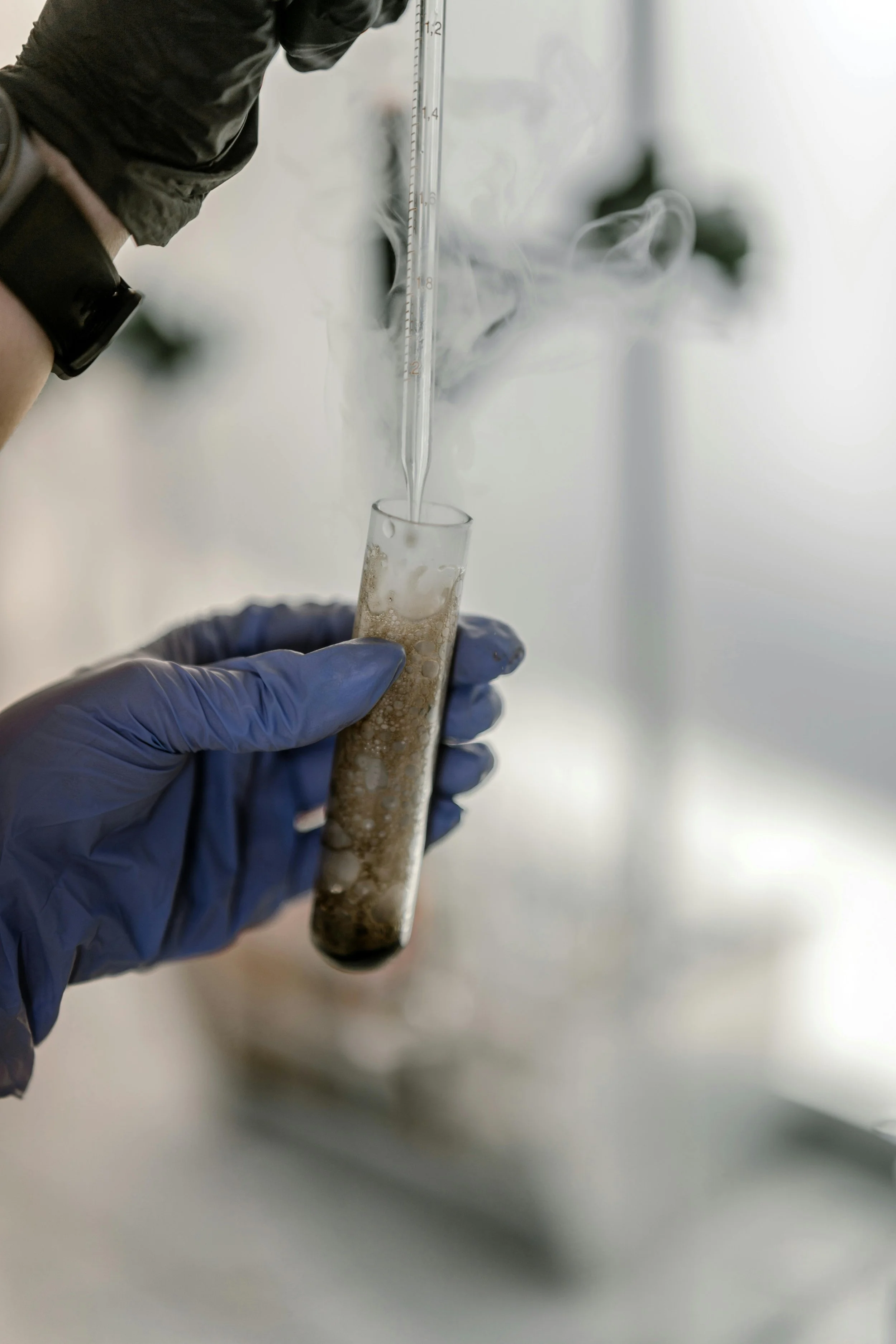
For many therapists, coaches, nurses, social workers, and integrative health professionals, the professional pain is becoming impossible to ignore: clients are asking about psychedelics faster than the healthcare system can responsibly train practitioners to answer.
They have read headlines about psilocybin, ketamine, MDMA, and DMT. They have heard stories about depression relief, trauma breakthroughs, and new models of care. But serious professionals are not looking for hype. They are asking a more important question:
What does the latest psychedelic research actually mean for clinical practice, licensure, and long-term career opportunity?
In 2026, that question became even more urgent.
Compass Pathways announced that its second Phase 3 clinical trial of COMP360, a synthetic psilocybin formulation for treatment-resistant depression, met its primary endpoint. According to the company’s February 17, 2026 announcement, two 25 mg doses of COMP360 showed a statistically significant reduction in depression symptom severity compared with a 1 mg comparator dose, and the company expects to complete a New Drug Application submission in Q4 2026.
That does not mean psilocybin is broadly FDA-approved today. It does not mean psychedelic therapy is simple, risk-free, or ready to be casually added to a wellness menu.
It does mean something very important: psychedelic medicine is moving from cultural curiosity into regulated, evidence-driven professional territory.
For anyone exploring psilocybin facilitator training, ketamine therapy certification, or a broader psychedelic therapy career, 2026 is a year to pay close attention.
Why the 2026 COMP360 Psilocybin Update Matters
Treatment-resistant depression is one of the most difficult areas in mental healthcare. By definition, people living with treatment-resistant depression have not responded adequately to standard treatments. This creates a serious need for new models that are clinically rigorous, ethically delivered, and built around patient safety.
The COMP360 Phase 3 program matters because Phase 3 studies are late-stage trials designed to evaluate whether a treatment is effective and safe enough to support regulatory review. In the 2026 announcement, Compass Pathways reported that COMP360 achieved statistically significant improvement on the Montgomery-Åsberg Depression Rating Scale, a commonly used clinical measure of depression severity.
For the psychedelic field, this is not just a research milestone. It is a signal that the next decade of care may require a new kind of professional: someone who understands altered states, trauma-informed practice, clinical boundaries, integration, ethics, and the emerging legal frameworks surrounding psychedelic services.
This is where training becomes essential.
The Difference Between Psychedelic Hype and Psychedelic Professionalism
A common mistake in the psychedelic space is assuming that interest equals readiness.
It does not.
The clinical research model around psilocybin is highly structured. Participants are screened. Sessions are monitored. Psychological support is included. Safety protocols are defined. Outcomes are measured. Adverse events are tracked.
That is very different from casual self-administration, underground use, or vague “plant medicine” marketing.
For professionals, the takeaway is clear: the future of psychedelic care will belong to people who can operate within structure.
This includes understanding scope of practice, contraindications, client preparation, integration support, referral networks, documentation, ethical boundaries, and state-specific regulations.
In other words, the field is not simply asking, “Who is interested in psychedelics?”
It is asking, “Who is trained well enough to hold this work responsibly?”
Regulatory Grounding: Oregon, Colorado, OHA, HECC, and DORA
The regulatory landscape is developing state by state, and this is where career planning becomes practical.
In Oregon, psilocybin services operate under the Oregon Health Authority’s Oregon Psilocybin Services program. Training programs that prepare students for Oregon facilitator licensure must have curriculum approval through Oregon Psilocybin Services, and training programs also need to address requirements connected to the Higher Education Coordinating Commission, commonly known as HECC.
In Colorado, the Department of Regulatory Agencies, or DORA, oversees natural medicine facilitator licensing. Colorado’s regulated model is especially important for professionals watching how psilocybin facilitation may develop beyond Oregon.
For a student comparing programs, these regulatory details matter. A weekend workshop is not the same as a licensure-aligned education pathway. A certificate of attendance is not the same as training designed around state requirements. A personal interest in psychedelics is not the same as professional readiness.
That is why anyone searching “how to become a psilocybin facilitator” should begin with one question:
Does this training align with the regulatory pathway in the state where I intend to practice?
Market Demand Is Growing, But So Are Standards
The market is expanding. One 2026 industry analysis estimated the global psychedelic drugs market at approximately $4.4 billion in 2026, with a projection of more than $11 billion by 2033. Other market forecasts vary, but the larger trend is consistent: investment, clinical research, public awareness, and state-level policy are all increasing.
But market growth alone is not the opportunity.
The real opportunity is the professionalization of the field.
As psychedelic care becomes more visible, clients will need trained facilitators, integration specialists, ketamine-informed practitioners, licensed mental health professionals with psychedelic education, retreat support staff, program directors, clinical operations teams, and educators who can translate research into safe practice.
This creates several possible career outcomes:
A licensed therapist may add psychedelic preparation and integration to an existing practice.
A nurse or healthcare provider may pursue ketamine therapy certification and support medically supervised psychedelic care.
A coach or wellness practitioner may pursue psilocybin facilitator training in a state-regulated pathway.
A career changer may move into psychedelic operations, education, admissions, client support, or retreat coordination.
A mental health professional may position themselves for future FDA-approved treatment models by building foundational psychedelic competency now.
The point is not that everyone will do the same job. The point is that the ecosystem is becoming more sophisticated, and trained professionals will be needed across multiple roles.
Where Ketamine Fits Into the Psychedelic Therapy Career Path
Although psilocybin receives much of the public attention, ketamine remains one of the most relevant entry points into legal psychedelic-adjacent care in the United States.
Ketamine is already used in medical settings, and many professionals are pursuing ketamine therapy certification to better understand preparation, safety, integration, and interdisciplinary collaboration. For clinicians and wellness professionals, ketamine education can be a practical bridge between today’s legal treatment models and tomorrow’s broader psychedelic landscape.
This is especially important because psychedelic therapy careers are not only about one substance. The strongest practitioners will understand the differences among ketamine, psilocybin, MDMA, LSD, DMT, and other emerging compounds. They will know that each medicine has different legal status, duration, risk profile, clinical evidence, and support needs.
Professional credibility comes from discernment.
What the 2026 Research Does and Does Not Mean
The COMP360 update is significant, but it should be interpreted carefully.
It does not mean psilocybin is a cure for depression.
It does not mean every person with depression is an appropriate candidate.
It does not replace psychotherapy, psychiatry, medication management, or crisis care.
It does not eliminate the need for screening, medical oversight, ethical facilitation, and integration.
What it does mean is that the clinical conversation is maturing. Psychedelic medicine is being studied with the seriousness required for mainstream healthcare consideration. That raises the bar for everyone entering the field.
If the science is becoming more rigorous, the training must become more rigorous too.
How to Become a Psilocybin Facilitator in 2026
For professionals researching how to become a psilocybin facilitator, the path depends heavily on geography and professional background.
A strong starting framework includes:
First, identify the state where you want to practice. Oregon and Colorado currently provide two of the clearest regulated models in the United States.
Second, review the relevant licensing body. In Oregon, that means understanding Oregon Health Authority and HECC requirements. In Colorado, that means understanding DORA’s natural medicine facilitator framework.
Third, choose a training program designed for regulatory alignment, not just personal exploration.
Fourth, build complementary skills in trauma-informed care, ethics, somatics, preparation, integration, cultural humility, and client screening.
Fifth, clarify your career outcome. Do you want to facilitate, integrate, support ketamine care, expand an existing therapy practice, or enter the field through education, operations, or retreat support?
This clarity matters because “psychedelic therapy career” is not one job title. It is a developing professional ecosystem.
Why Changa Institute Is Positioned for This Moment
As the psychedelic field matures, professionals need training that combines clinical seriousness, regulatory awareness, and grounded preparation for real-world work.
Changa Institute’s training pathways are designed for students who are not simply curious about psychedelics, but serious about entering the field responsibly. That includes people exploring psilocybin facilitator training, professionals comparing ketamine therapy certification options, and career changers seeking a credible entry point into psychedelic medicine.
The goal is not to chase trends.
The goal is to prepare for a field where safety, ethics, regulation, and client care will matter more every year.
The 2026 COMP360 Phase 3 update is a reminder that psychedelic medicine is no longer a distant possibility. It is becoming part of the professional future of mental health and integrative care.
The question is whether you will be prepared for that future with the depth it requires.
Practical Takeaway
If you are a therapist, coach, nurse, healthcare provider, or career changer watching the psychedelic space in 2026, do not start by asking, “Is this field growing?”
It is.
Ask a better question:
What role am I qualified to play, and what training do I need to serve ethically, legally, and competently?
That is the question that separates curiosity from professional direction.
Ready to Find Your Path?
Take Changa Institute’s Journey Quiz to discover which psychedelic training pathway best fits your background, goals, and next career step:
