
How to Start a Psilocybin Facilitation Practice in 2026: The Complete Step-by-Step Guide
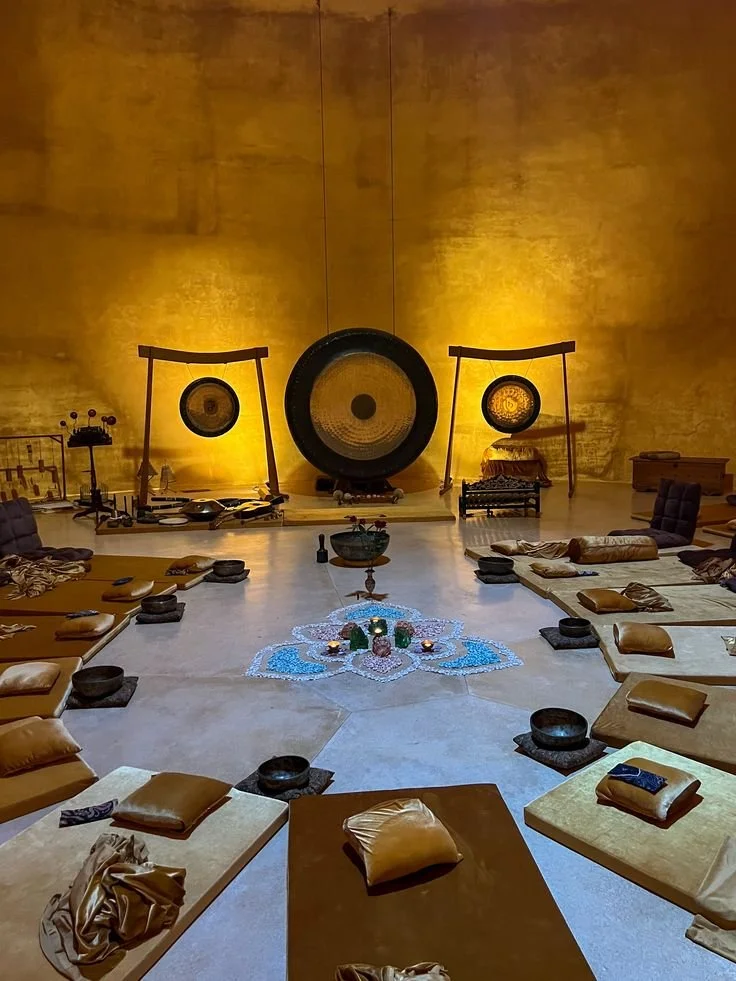
At some point, the question stops being theoretical.
You have read about psychedelic research. You have seen policy changes unfold. You have watched a new professional field begin to form at the intersection of mental health, neuroscience, and personal development.
Then one day, the question becomes practical.
How do I actually become a psilocybin facilitator?
For many professionals, this moment comes after months of quiet research. Therapists, coaches, healthcare workers, and career changers begin looking for a real path into the field. What they often find is fragmented information and unclear next steps.
The difference today is that a structured pathway now exists.
Psilocybin services are legally regulated in certain states in the United States, creating a defined professional route. At the same time, demand for mental health support continues to grow. According to the U.S. Bureau of Labor Statistics, employment for substance abuse, behavioral disorder, and mental health counselors is projected to grow 18 percent from 2022 to 2032, which is much faster than average.
This signals something important.
The broader mental health field is expanding, and new modalities are emerging within it.
This guide walks through the real, verified steps to starting a psilocybin facilitation practice in 2026.
Step 1: Choose the Right State Pathway
The first decision is where you plan to practice.
Psilocybin remains illegal at the federal level, but certain states have created regulated access programs. Your ability to work legally as a facilitator depends on participating in one of these state systems.
Oregon
Oregon was the first state to legalize supervised psilocybin services through Measure 109. The program is regulated by the Oregon Health Authority through Oregon Psilocybin Services.
Key features include:
Legal access for adults aged 21 and older
No requirement for a medical diagnosis
Sessions must take place in licensed service centers
Facilitators must be licensed by the state
Oregon currently has the most established and operational system in the country.
Colorado
Colorado passed the Natural Medicine Health Act in 2022, creating a regulated framework for psilocybin and other natural medicines. The system is overseen by the Department of Regulatory Agencies.
The program is still being implemented, but it will include:
Licensed facilitators
State-approved training programs
Regulated healing centers
Colorado represents an emerging market with long-term growth potential.
Step 2: Complete Approved Psilocybin Facilitator Training
After choosing a state, the next step is completing a recognized training program.
In Oregon, facilitators must graduate from programs approved by the Oregon Health Authority and recognized by the Higher Education Coordinating Commission.
These programs are designed to prepare practitioners for real client work, not just theoretical understanding.
Core areas of study include:
Preparation and screening processes
Trauma-informed care principles
Ethical facilitation practices
Integration support
Basic neuroscience related to psychedelic experiences
Training ensures that facilitators understand both the responsibility and the complexity of this work.
Step 3: Complete Practicum and Supervised Experience
Training programs typically include a practicum component.
This stage focuses on hands-on experience and applied learning. It helps bridge the gap between classroom knowledge and real-world facilitation.
During practicum, trainees learn to:
Observe session dynamics
Practice preparation and integration conversations
Develop emotional awareness and presence
Support clients through intense psychological experiences
Psilocybin sessions can involve vulnerability, emotional release, and deep introspection. Practicum ensures facilitators are prepared to handle these situations responsibly.
Step 4: Apply for State Licensure
Once training and practicum requirements are complete, facilitators must apply for licensure.
In Oregon, licenses are issued through the Oregon Health Authority. Facilitators must meet education requirements, pass background checks, and follow state regulations.
In Colorado, licensure will be managed through the Department of Regulatory Agencies as the program continues to develop.
Licensure is a critical step because it establishes:
Professional accountability
Client safety standards
Legal authority to practice
This regulatory structure is one of the defining features of the modern psilocybin field.
Step 5: Begin Working With Clients
After becoming licensed, facilitators can begin working with clients in approved settings.
In Oregon, this means working in licensed service centers where psilocybin sessions are conducted under supervision.
Facilitators guide clients through three phases:
Preparation
Clients discuss intentions, expectations, and readiness.
Session
The psilocybin experience takes place in a controlled, licensed environment.
Integration
Clients process their experience and apply insights to daily life.
Integration is widely recognized as one of the most important parts of the process. Research from institutions such as Johns Hopkins and NYU has shown that psychedelic experiences, when combined with structured support, can lead to meaningful psychological outcomes.
Step 6: Build Your Practice Over Time
As facilitators gain experience, many expand beyond entry-level roles.
Common professional pathways include:
Offering integration coaching services
Partnering with therapists or wellness providers
Developing private coaching practices
Specializing in specific client populations
Some practitioners also explore adjacent fields such as psychedelic research, education, or other therapeutic modalities.
The field is still developing, which means there is flexibility in how professionals shape their careers.
The Deeper Context Behind This Work
Psilocybin facilitation is not just a technical role. It sits within a broader movement in mental health and human development.
Organizations like the Multidisciplinary Association for Psychedelic Studies and leading research institutions continue to study the potential of psychedelics in therapeutic settings.
At the same time, professionals entering this field must recognize the responsibility involved.
This work requires:
Ethical awareness
Emotional intelligence
Strong boundaries
Commitment to client safety
Facilitators are not there to direct experiences. Their role is to support, observe, and create a stable environment where clients can engage with their own internal process.
Practical Takeaway
If you are considering this path, focus on three core steps:
Choose a state with a clear legal framework
Enroll in a recognized training program
Commit to building real experience through practicum and supervised work
This is a structured profession, not an informal one. Success depends on preparation, credibility, and long-term commitment.
Your Next Step
If you are exploring how to become a psilocybin facilitator, you are likely in the early stages of a meaningful decision.
The challenge is not a lack of opportunity. It is knowing where to begin.
The Changa Journey Quiz is designed to give you clarity.
In just a few minutes, it maps your background, experience, and goals into a personalized pathway toward practice.
Get your personalized pathway.
Take the Journey Quiz: changainstitute.com
Sources:
Oregon Health Authority — Oregon Psilocybin Services
https://www.oregon.gov/oha/PH/PREVENTIONWELLNESS/Pages/Oregon-Psilocybin-Services.aspxColorado Department of Regulatory Agencies — Natural Medicine Facilitator Training Program Applications Now Openhttps://dora.colorado.gov/press-release/natural-medicine-facilitator-training-program-applications-now-open
U.S. Bureau of Labor Statistics — Substance Abuse, Behavioral Disorder, and Mental Health Counselors
Johns Hopkins Medicine — Psychedelic Research
https://www.hopkinsmedicine.org/psychiatry/research/psychedelics-researchNYU Langone Health — Center for Psychedelic Medicine
https://nyulangone.org/news/nyu-langone-health-establishes-center-psychedelic-medicineMAPS (Multidisciplinary Association for Psychedelic Studies)
https://maps.org/
