
How to Prepare for Colorado’s Psychedelic Therapy Training
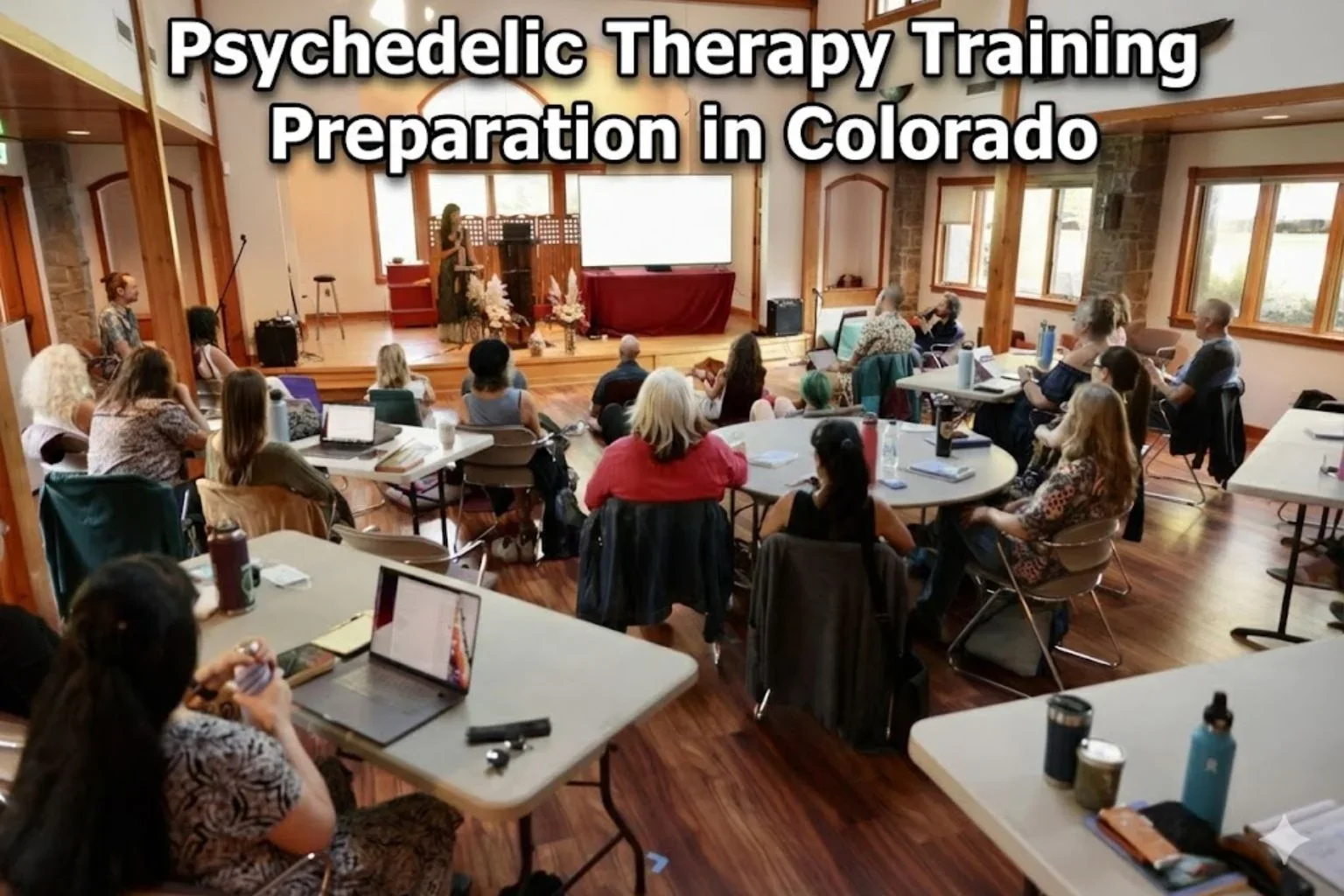
In Colorado, the psychedelic treatment has rapidly acquired popularity as the state started to implement its Natural Medicine Program. The question of what it takes to prepare to become a licensed psychedelic therapy trainer has become a grave issue to many.
The practice of Colorado is yet to be developed, and that is why preparation is particularly significant. Colorado, unlike states where systems are fully developed, has a changing training and licensure system, i.e. potential trainees must know not only what is being offered by the programs, but also how the state is shaping expectations.
It is a step-by-step instruction on how to be ready to join psychedelic training programs (academically, professionally, and practically) in Colorado to join training with realistic expectations and to be prepared in the long term.
In a nutshell, in order to become a psychedelic therapy training preparer in Colorado, one should be aware of the transformation of state rules, pick the right education, and possess a sound ethics, safety, and integration background in order to become part of the program.
Understanding Colorado’s Regulatory Landscape First
Before choosing a program, it’s essential to understand how Colorado regulates psychedelic therapy. Training does not exist in isolation—it is directly tied to future licensure eligibility.
Recent reporting by Colorado Newsline explains that Colorado’s Natural Medicine Program requires facilitators to complete qualifying education before they can legally support psilocybin services under the regulated system. The article outlines how adults who meet age and training requirements will be eligible to pursue licensure once the program is fully operational, underscoring the state’s emphasis on training as a gatekeeper for safe access
At the regulatory level, Colorado has also released draft rulemaking language clarifying that facilitator education must meet or exceed state-defined minimum requirements. According to proposed rules published by the Colorado Secretary of State, training programs must align their curriculum with these minimum standards in order for graduates to qualify for licensure consideration
Together, these sources make one thing clear: training quality and alignment matter, especially while the system is still maturing.
Step One: Before you enroll, Clarify Your Goal
Psychedelic therapy does not necessarily want the same outcome of everyone who became interested in it. It is a good idea to define your intention before you start training as a psychedelic-assisted therapy practitioner.
Ask yourself:
Do you plan to become a licensed facilitator when the system is complete?
Do you want to have some basic education before engaging in licensure?
Are you currently employed in a regulated healthcare setting, or are you still searching for a career fit?
Your responses will determine the extent and form of training that will be viable- and the degree to which it should conform to state regulations.
Step Two: Understand What “Licensed” Really Means in Colorado
One common misconception is that completing any psychedelic course automatically qualifies someone to practice. In Colorado, this is not the case.
Based on current rulemaking direction, licensure will require:
Completion of qualifying education that meets state minimums
Alignment with competency standards defined by regulators
Additional application, review, and approval steps
This means not all psychedelic therapy training programs will be equal in terms of licensure readiness. Preparing well means choosing education that anticipates—not ignores—state oversight.
Core Areas You Should Be Prepared to Study
Although the specifics of the curriculum expectations are yet to be determined, the general public directives and draft regulations in Colorado indicate a number of areas of foundation that potential trainees would anticipate.
1. Ethics and Scope of Practice
Ethical limits, informed consent, and responsibility of facilitators will be promoted in training. Preparation involves what the facilitators are capable of and unable to do under a regulated model.
2. Safety and Risk Awareness
The screening of participants, situational awareness, and response procedures are also supposed to be covered by programs. Introductions to the principles of harm-reduction may help.
3. Planning and Coalescence
The model that Colorado uses emphasizes assisting the participants to prepare and incorporate experiences, not only the supporting sessions.
4. Professional Conduct
Since the licensure is involved, the trainees are to be ready to standards related to documentation, accountability, and its constant compliance.
Educational Background: What Helps (and What’s Not Required)
Colorado does not require a specific academic degree—such as psychology, social work, or medicine—to begin psychedelic therapy training. The state’s approach focuses more on competency, ethics, and readiness than on formal credentials alone.
That said, certain backgrounds can be helpful when entering training, particularly those that involve supporting others through emotional or interpersonal processes, such as:
Mental health or wellness experience, including roles in counseling, peer support, or holistic health settings
Coaching, counseling, or caregiving roles that involve active listening, boundaries, and emotional regulation
Experience in group facilitation or support environments, where holding space and managing group dynamics is essential
These backgrounds can make it easier to engage with training material, especially in areas like ethics, safety, and integration. However, they are not prerequisites. Many psychedelic therapy training programs in Colorado are designed to teach these competencies from the ground up.
Ultimately, preparation is less about prior credentials and more about personal readiness, responsibility, and a willingness to engage
How to Evaluate Psychedelic Therapy Training Programs
When researching psychedelic therapy training programs, look beyond marketing language. Preparation means asking practical questions.
Key things to review:
Does the program reference Colorado’s Natural Medicine Program directly?
Does it address licensure readiness, not just education?
Are ethics, safety, and integration clearly defined?
Is there transparency about how training aligns with evolving rules?
Programs that acknowledge regulatory uncertainty—rather than dismiss it—are often better positioned to prepare students realistically.
Practical Preparation Before You Enroll
Before starting training, consider preparing in these ways:
Stay informed on rule updates through official Colorado channels
Budget realistically for training, application, and future licensure costs
Assess time commitment, especially if programs include live components
Reflect on personal readiness for emotionally intensive material
This kind of preparation reduces stress once training begins and supports long-term success.
Common Mistakes to Avoid
Prospective trainees often run into trouble by:
Assuming rules are finalized when they are not
Choosing programs with no clear licensure alignment
Rushing into training without understanding scope of practice
Treating education as a shortcut rather than professional preparation
Avoiding these mistakes starts with informed preparation.
How Institutes Fits Into a Preparation-First Approach
With the changing system in Colorado, education providers have a significant role to play in ensuring that future facilitators find their way out of the state of uncertainty in a fashion that is responsible. The programs of Changa Institute are based on preparation, ethics, and integration as the requirements and properties but they are also rather convenient qualities of Colorado orientation in the way of regulated, accountable psychedelic services.
To those who wish to take psychedelic therapy in Colorado seriously, it may be significant to consider education that puts preparation over haste.
Final Thoughts
The preparation process to the licensed psychedelic therapy training programs in Colorado is less about the check boxes than the contextual comprehension. There are rules that are in their entirety and knowledgeable planning will provide a bright future to the upcoming trainees.
By basing your choice on the existing state recommendations, selecting education that prepares you with future licensure requirements, and joining training with realistic assumptions, you will be in a better place to enroll, not only to enroll but to work once the Colorado system is fully implemented.
Subtle Next Step
Since Colorado keeps perfecting its Natural Medicine Program, the structured educational pathways with a focus on ethics, safety, and integration may be an expedient approach to training to be involved in regulated psychedelic care in the long term. The programs that fit this preparation-first approach could be helpful that the future facilitators would be able to find their way both in the present and in the future clearly.