
Psilocybin Protected Nerves From Chemotherapy in Mice. Human Evidence Comes Next.

A new preclinical study has reported an unexpected possibility for psychedelic medicine: psilocybin may help prevent chemotherapy-induced peripheral neuropathy before nerve damage becomes established.
Published in Science, the study found that psilocybin protected sensory nerves in mouse and cellular models exposed to several widely used chemotherapy drugs. Animals that received psilocybin before chemotherapy maintained greater touch sensation, developed less hypersensitivity to cold, and showed less damage to sensory nerve endings.
The researchers also reported that the protection persisted across repeated treatment cycles and did not reduce chemotherapy's antitumor activity in the models they tested.
These findings are important.
They do not show that psilocybin prevents neuropathy in people receiving cancer treatment.
The study was preclinical, the dosing was preventive, and the biological response of a mouse cannot establish clinical safety or efficacy in a patient with cancer. A Phase 2 trial is being prepared to test whether the laboratory findings translate into a meaningful human benefit.
For now, the research offers a compelling mechanism and a reason to proceed carefully, not a reason to self-treat or alter oncology care.
Why Chemotherapy-Induced Peripheral Neuropathy Matters
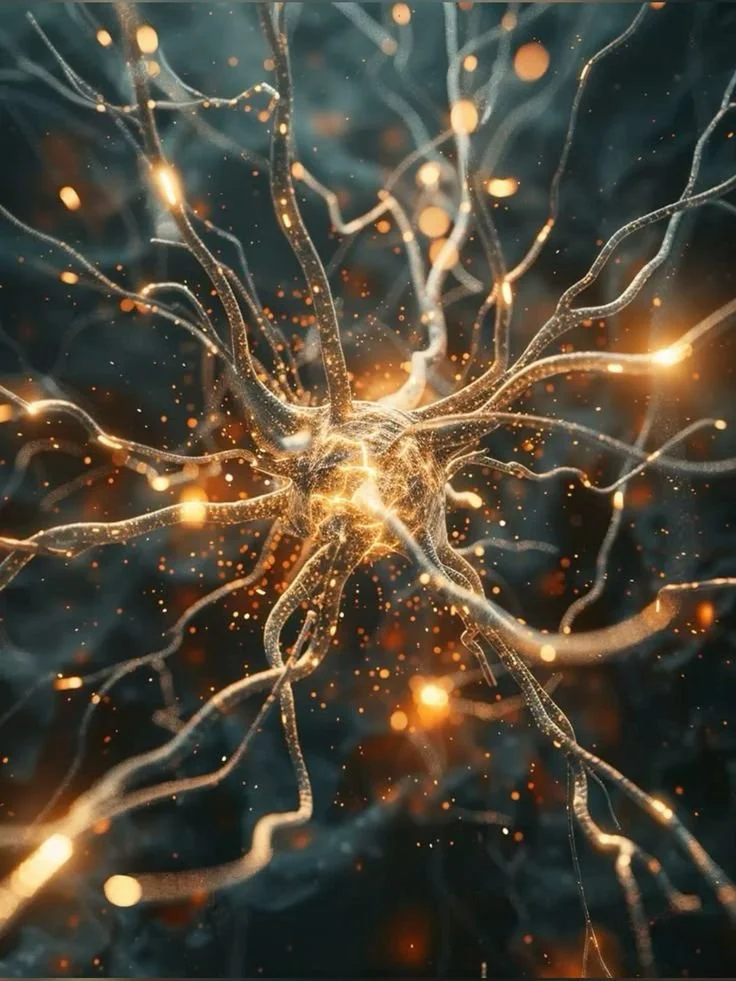
Chemotherapy-induced peripheral neuropathy, often abbreviated CIPN, is a form of nerve injury associated with agents including platinum compounds and taxanes. Symptoms can include numbness, tingling, burning pain, sensitivity to cold, loss of sensation, weakness, and impaired balance.
The consequences extend beyond discomfort. Neuropathy can make it difficult to walk, sleep, use the hands, or complete ordinary daily tasks. When symptoms become severe, clinicians may need to delay, reduce, or discontinue a chemotherapy regimen.
A systematic review of 31 studies involving 4,179 patients estimated that CIPN affected 68.1 percent of patients during the first month after chemotherapy, 60 percent at three months, and 30 percent at six months or longer. Prevalence varies by drug, dose, treatment schedule, and patient characteristics, but the larger point is difficult to miss: nerve damage is a common and potentially persistent cost of cancer treatment.
The prevention gap is especially significant. An American Society of Clinical Oncology guideline concluded that no medication could be recommended for preventing CIPN. For patients who develop painful neuropathy, duloxetine has the strongest evidence, but its benefit is limited and it treats established symptoms rather than reliably preventing the injury.
This is the clinical problem the new psilocybin study addresses.
What the Researchers Actually Tested
Researchers at The University of Texas MD Anderson Cancer Center evaluated psilocybin across several preclinical models of chemotherapy-related nerve injury.
As few as two doses administered before chemotherapy prevented several signs of neuropathy. Treated animals were less likely to develop cold hypersensitivity, retained more normal touch sensation, and showed greater preservation of sensory nerve endings.
The findings were reproduced with three chemotherapy drugs: cisplatin, paclitaxel, and docetaxel. According to the research team, protection remained evident through as many as six chemotherapy cycles in the models tested.
That replication matters. A single positive result in one model can arise from experimental conditions that do not generalize. Demonstrating related effects across different drugs, repeated cycles, tumor-bearing and non-tumor models, behavioral measures, and biological assessments strengthens the preclinical signal.
The researchers also examined a concern that must accompany any proposed supportive treatment in oncology: whether protecting healthy nerves might also protect the tumor.
In the models tested, psilocybin maintained chemotherapy's antitumor activity. This does not prove that every combination will be safe in humans, but it was a necessary question to address before clinical testing.
This Appears to Be Nerve Protection, Not Only Pain Relief

One of the study's most consequential findings is that psilocybin did more than change observable pain-related behavior.
Pain perception can be altered without preventing the underlying tissue injury. A compound might reduce the experience or expression of pain while damaged nerves continue to deteriorate. That can still be clinically useful, but it is different from neuroprotection.
Here, the investigators found preservation of sensory nerve endings alongside improvements in cold sensitivity and touch. Their experiments point toward a biological process that may help nerves withstand chemotherapy rather than simply masking a damage signal after it occurs.
The timing is essential. Psilocybin was given before chemotherapy. The study therefore supports a hypothesis about prevention, not a conclusion that psilocybin can repair established neuropathy.
That distinction should remain visible in every clinical discussion. Preventing an injury and reversing an injury are different therapeutic tasks. Nothing in this study establishes that psilocybin regenerates peripheral nerves or treats chronic CIPN in humans.
A Possible Mechanism Involving Mitochondrial Transport
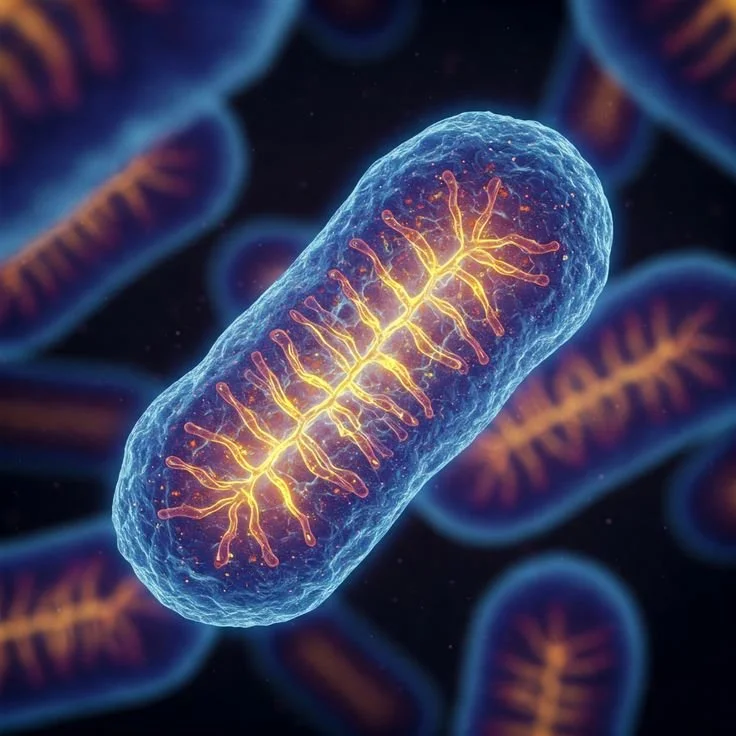
Peripheral nerves depend on a continuous supply of energy, including at nerve endings located far from the cell body. Mitochondria help provide that energy, but they must be transported through the long structures of a nerve cell to reach the places where they are needed.
The researchers found that cisplatin depleted mitochondria and disrupted their movement inside nerve fibers. Psilocybin activated a signaling pathway that preserved this mitochondrial trafficking after chemotherapy, helping maintain energy availability at sensory nerve endings.
This provides a plausible explanation for the observed protection. If chemotherapy interrupts the transport system that supplies energy to distant parts of a nerve, those structures may become more vulnerable to degeneration. Preserving mitochondrial movement could help maintain nerve function during treatment.
The experiments also implicated the serotonin 5-HT2A receptor, which is strongly associated with the effects of classic psychedelics. Blocking this pathway reversed psilocybin's protective effect in the preclinical models.
This finding expands the scientific conversation. Psilocybin research has often focused on changes in mood, perception, cognition, and psychological flexibility. The new study suggests that signaling through a psychedelic-associated receptor may also influence peripheral nerve biology and cellular energy distribution.
That possibility is scientifically significant, but a proposed mechanism is not a clinical outcome. Human studies will need to establish whether the same pathway can be engaged safely and whether doing so prevents symptoms that matter to patients.
The Psychedelic Experience May Not Be the Only Pathway

The investigators also tested a compound designed to activate the same receptor without producing a classic hallucinogenic profile. It produced similar nerve protection in the preclinical models.
This raises a provocative question: could the neuroprotective effect be separated from the subjective psychedelic experience?
In oncology, that possibility could materially change how a future intervention is delivered. A full psychedelic session may require extended monitoring, psychological preparation, medication review, a controlled environment, and support during and after administration. A non-hallucinogenic compound acting through the same protective pathway might carry a different clinical and operational burden.
But that interpretation remains hypothetical.
Researchers cannot determine the human subjective profile of a treatment from mouse behavior alone. Similar protection in animals does not establish equivalent efficacy, safety, receptor engagement, or tolerability in people. It also does not resolve whether psilocybin's psychological effects could independently benefit some patients navigating cancer treatment.
The result should be understood as a clue about mechanism and drug development, not proof that the psychedelic experience is irrelevant.
Psilocybin Research in Cancer Is Not Entirely New
Psilocybin has previously been studied in people with life-threatening cancer, but for a different purpose.
A randomized, double-blind crossover trial published in 2016 enrolled 51 patients with cancer who were experiencing depression or anxiety. Compared with a very low dose, a high dose of psilocybin was associated with substantial improvements in depressed mood, anxiety, quality of life, meaning, optimism, and death acceptance. At six months, approximately 80 percent of participants continued to show clinically significant reductions in depression and anxiety.
That study helped establish oncology as an important setting for psychedelic-assisted care. It examined psychological distress within a highly structured research protocol.
The new neuropathy research asks a fundamentally different question. It is not primarily testing whether a psychedelic experience changes a person's relationship to illness. It is testing whether psilocybin can protect peripheral nerves from a toxic injury caused by chemotherapy.
Keeping these lines of evidence separate prevents an important category error. Human evidence for cancer-related emotional distress does not validate a preclinical claim about nerve protection. Each indication requires its own dose finding, safety assessment, comparison condition, outcome measures, and regulatory pathway.
What the Mouse Study Cannot Tell Us
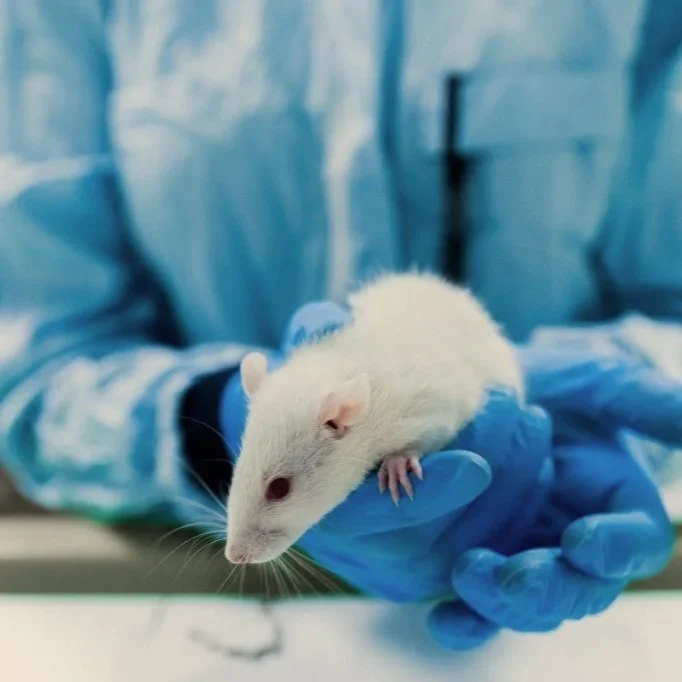
Preclinical research is where many promising treatments begin. It is also where many fail to translate.
The current study cannot establish:
Whether psilocybin prevents neuropathy in humans
Which dose or schedule would be effective during cancer treatment
Whether protection extends across different cancers and chemotherapy combinations
Whether psilocybin interacts with other medications or changes treatment tolerability
Which psychiatric, cardiovascular, neurological, or medical conditions should affect eligibility
Whether any benefit persists after chemotherapy ends
Whether subjective effects are necessary, beneficial, burdensome, or avoidable
Whether repeated administration introduces risks not visible in animal models
Whether psilocybin can help after neuropathy is already established
Cancer patients are medically diverse. They may be managing organ dysfunction, fatigue, pain, sleep disruption, nutritional changes, polypharmacy, psychological distress, and rapidly changing treatment plans. A preventive psychedelic intervention would need to fit within that larger system of care.
It would also need to be evaluated without lowering the standard applied to any other supportive oncology drug. Novelty does not reduce the obligation to demonstrate safety, efficacy, reproducibility, and compatibility with cancer treatment.
The NeuroGuard Trial Will Test the Human Question
The preclinical findings are the basis for NeuroGuard, a planned Phase 2 study registered as NCT07227909.
The trial is designed to evaluate whether psilocybin can prevent or reduce the severity of CIPN in adults receiving neurotoxic chemotherapy for breast, colorectal, or head and neck cancer. It will compare psilocybin with control conditions and measure changes in sensory neuropathy during treatment.
This is the necessary next step because the central clinical question remains unanswered: does the nerve protection observed in laboratory models translate into a benefit that patients can feel and clinicians can measure?
A meaningful trial will need to examine more than whether participants report less pain. It should assess numbness, touch, cold sensitivity, functional ability, balance, chemotherapy completion, quality of life, adverse events, and the durability of any protection.
It must also clarify whether psilocybin can be administered safely alongside complex oncology regimens and whether the staffing and monitoring required are feasible in real cancer care.
Until human data are available, the study remains a test of a promising hypothesis.
What This Means for Practitioners

The research does not support recommending psilocybin to prevent chemotherapy-related nerve damage outside a clinical trial.
It does, however, demonstrate why psychedelic education must extend beyond enthusiasm for altered states. Practitioners working near oncology need fluency in medical screening, medication interactions, cancer-related vulnerability, interdisciplinary communication, evidence appraisal, and scope of practice.
If psilocybin eventually enters supportive cancer care, its delivery will require coordination among oncologists, neurologists, pain specialists, mental health professionals, pharmacists, nurses, and trained psychedelic practitioners. Psychological support may be important, but it cannot substitute for medical oversight.
Informed consent will also need to distinguish what is known from what is hoped. Patients facing cancer may be especially vulnerable to claims of prevention, healing, or neuroregeneration. Ethical care requires precise language and resistance to premature certainty.
The appropriate message today is narrow but meaningful: psilocybin prevented several forms of chemotherapy-related nerve injury in rigorous preclinical models, and researchers are moving the question into a human trial.
Psychedelic Science Is Moving Beyond the Mind

This study broadens the horizon of psychedelic research.
For decades, the central questions have concerned consciousness, mood, trauma, addiction, and psychological change. The finding that psilocybin may preserve mitochondrial movement and sensory nerve integrity points toward another domain: the direct biology of tissue protection.
That expansion deserves attention because it may reveal therapeutic pathways that are not reducible to the psychedelic experience itself.
It also demands restraint.
A strong mouse study is not a human treatment. A plausible receptor mechanism is not a clinical protocol. A planned trial is not evidence of benefit.
The promise lies in having a credible new question to test. Can a compound known for altering consciousness also help protect the body from one of cancer treatment's most persistent injuries?
The laboratory evidence says the question is now reasonable.
The responsibility of the field is to let human research answer it.
Sources
Nature: Magic-mushroom compound blocks a severe side effect of chemotherapy in mice
Scientific American: Study finds psilocybin protects against nerve damage from chemotherapy
UT MD Anderson: Psilocybin prevents chemotherapy-related nerve injury in preclinical models
PMC: Psilocybin for depression and anxiety in patients with life-threatening cancer
PubMed: Prevalence, characteristics, and risk factors of chemotherapy-induced peripheral neuropathy
ASCO guideline: Prevention and management of chemotherapy-induced peripheral neuropathy
