
Who Is Ready to Deliver Psychedelic Care? Lisa Ginzburg of Changa Institute Brings Training and Credentialing to the FDA
The national conversation about psychedelic medicine is changing.
For years, much of the attention has focused on whether substances such as psilocybin can produce meaningful clinical benefits. As psychedelic drug candidates move closer to possible federal review, another question has become increasingly urgent:
Who will be qualified to deliver this care?
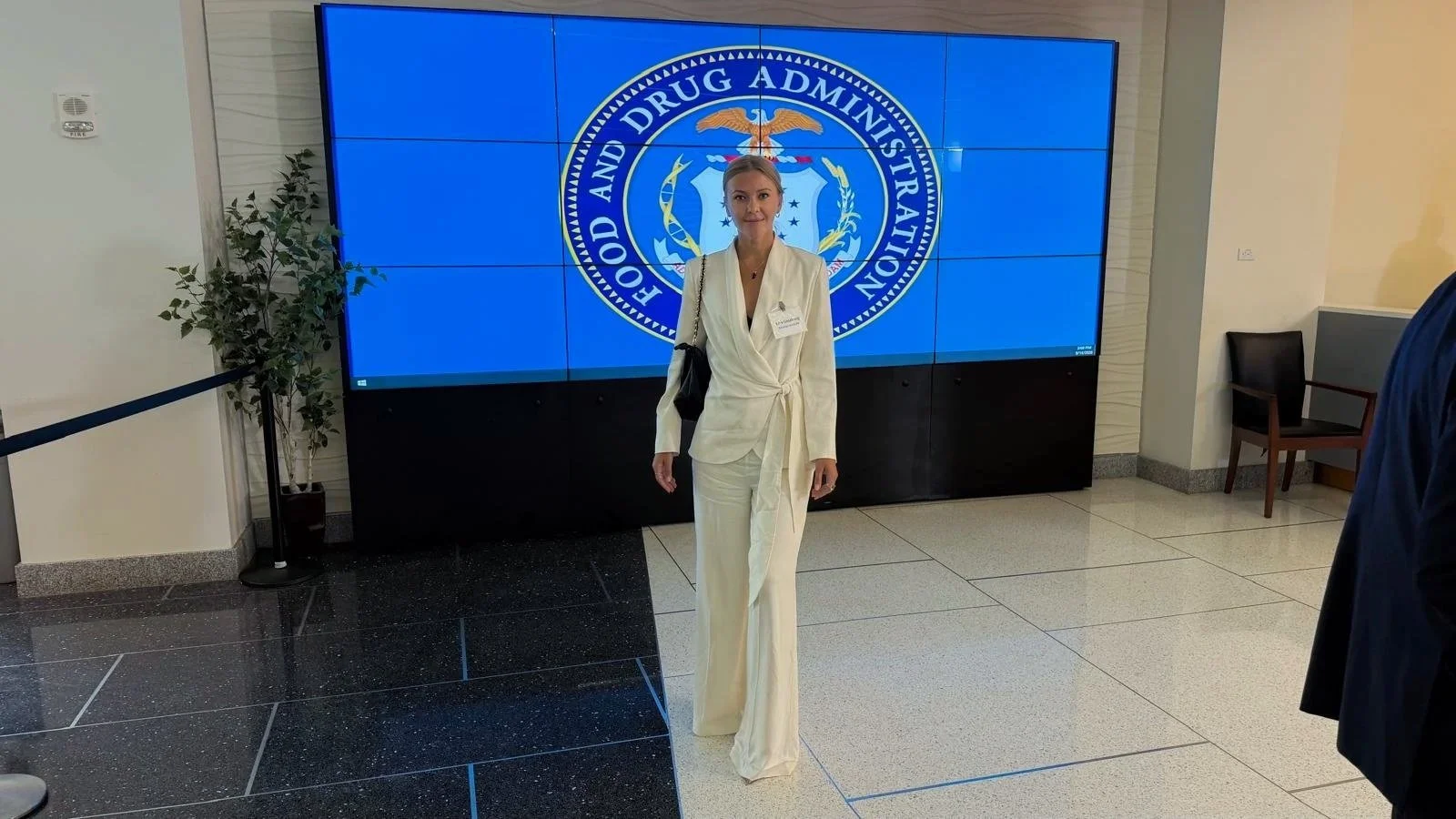
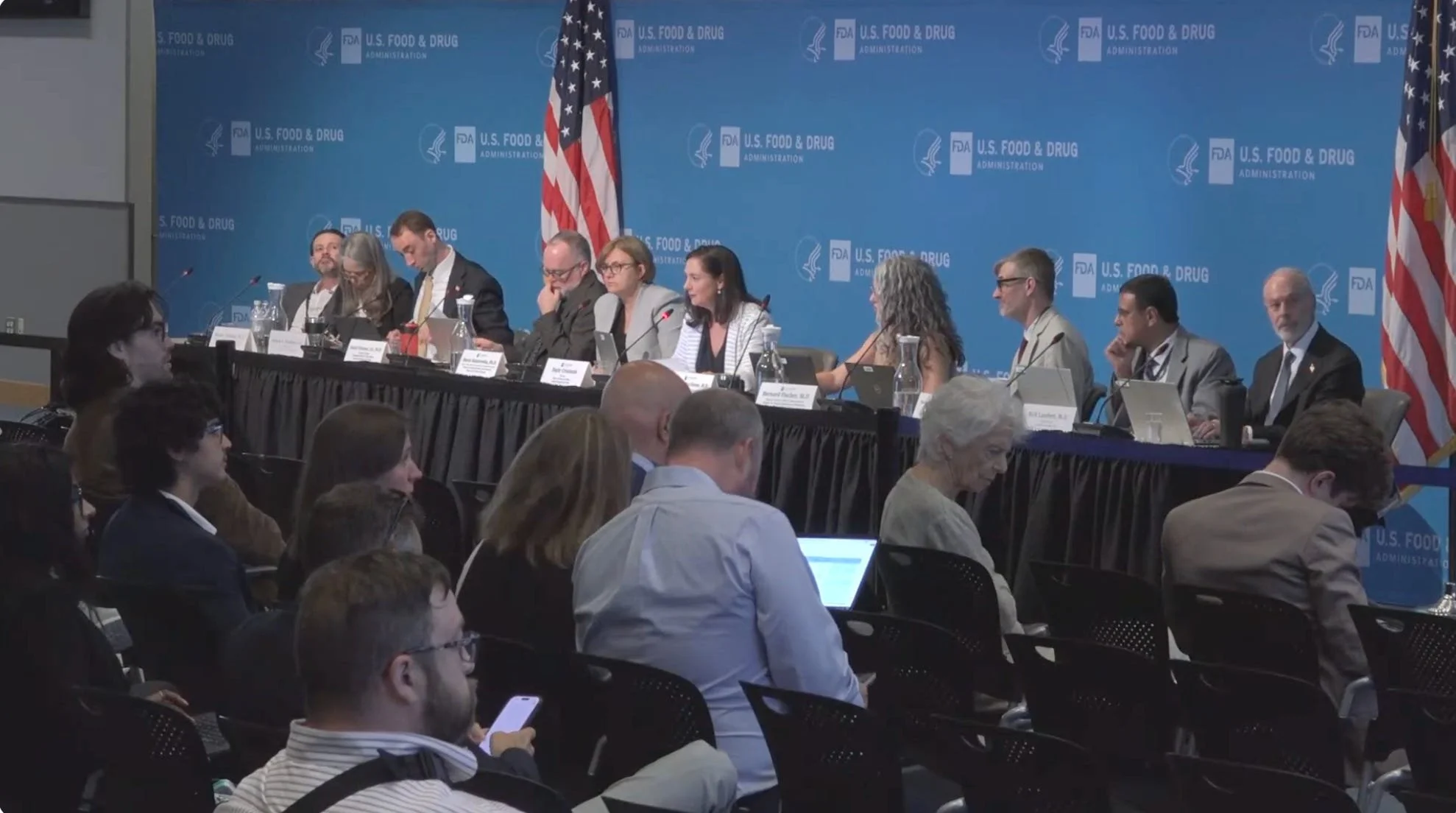
On September 14, 2026, the U.S. Food and Drug Administration convened a historic public hearing on the potential future therapeutic use of psychedelic drugs.
The hearing brought together representatives from the FDA, the Department of Veterans Affairs, the Substance Abuse and Mental Health Services Administration, the National Institute on Drug Abuse, and the Advanced Research Projects Agency for Health.
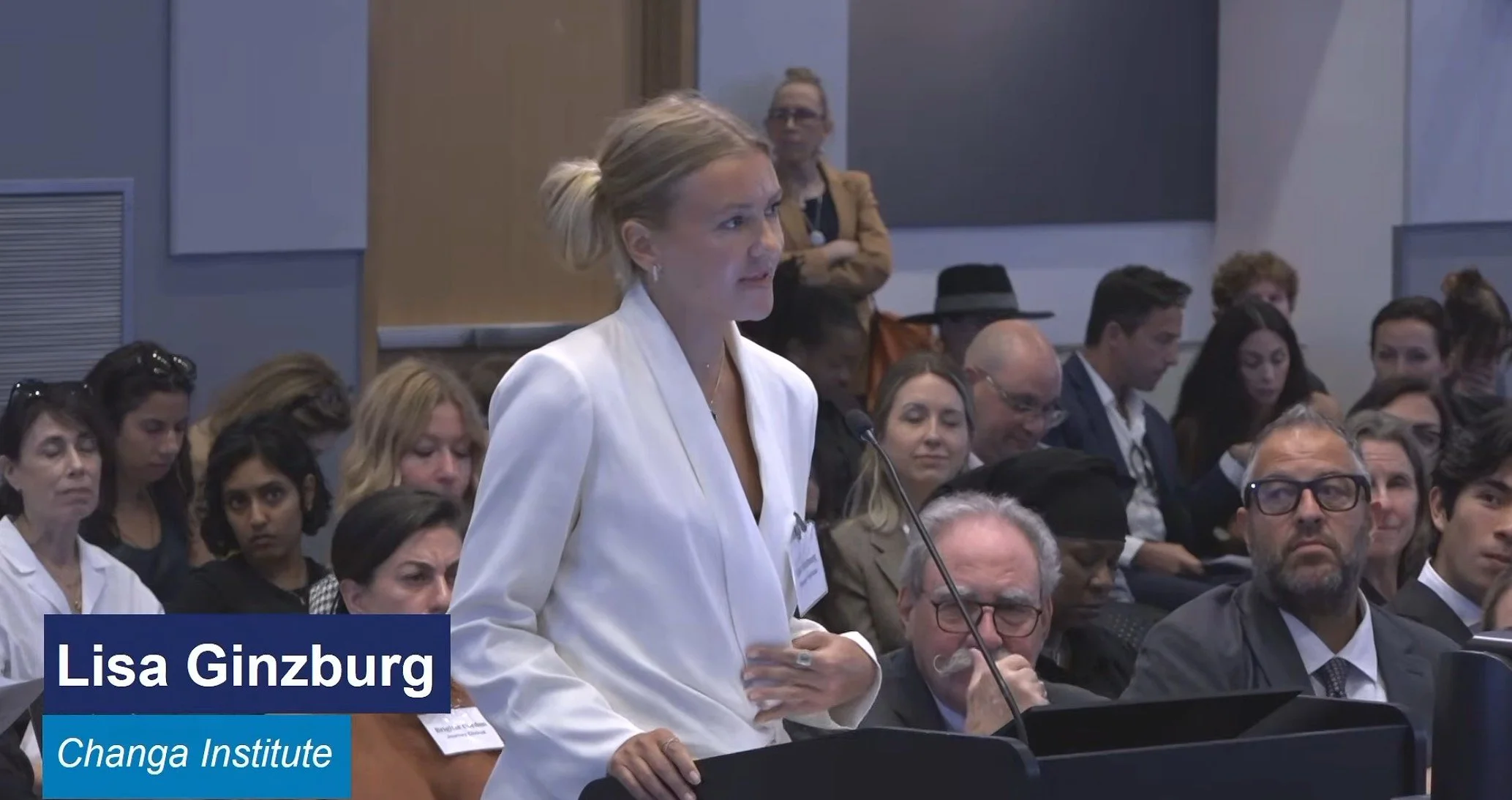
Changa Institute founder Lisa Ginzburg was among the invited speakers.
Lisa addressed one of the most consequential challenges facing the field: how to establish credible training, credentialing, and safety standards for the professionals who may eventually support patients receiving federally approved psychedelic medicines.
Her testimony drew from real-world evidence generated through Oregon’s regulated psilocybin program and called for a recognized accreditation standard based on demonstrated competency, professional accountability, and coordination with the medical system.
The FDA’s official agenda listed Lisa as the fifth in-person speaker in the hearing’s opening public-comment block, which focused specifically on provider training, credentialing, and patient safety.
That placement reflects how central workforce preparation has become to the future of psychedelic care.
The Hearing Asked Who Must Be in the Room
A psychedelic medicine is not administered like an ordinary prescription.
Many psychedelic experiences last for several hours and can temporarily alter perception, emotion, memory, identity, judgment, and a person’s relationship to their surroundings. Some individuals may experience fear, confusion, physical distress, psychological destabilization, or the emergence of difficult personal material.
Clinical trials commonly include medical and psychiatric screening, preparation, supervised administration, follow-up assessment, and some form of psychological support or integration.
If a psychedelic medicine receives FDA approval, regulators will need to determine which elements of that structure are necessary for safety and which professionals are qualified to provide them.
The hearing revealed several competing models.
Some speakers argued that psychedelic treatment for psychiatric conditions should require oversight from a psychiatrist or another medical prescriber. Others supported interdisciplinary teams involving nurses, therapists, peer-support professionals, and medical consultants. Another group favored trained facilitators whose competency would be evaluated through education, simulation, and supervised practice.
Each model carries different implications for safety, cost, accessibility, professional accountability, and workforce supply.
A highly restrictive system may concentrate treatment among a small and expensive group of specialists. A model with insufficient clinical oversight could leave providers unprepared to recognize medical or psychiatric complications.
The challenge is to create standards strong enough to protect patients without making treatment inaccessible or impossible to deliver at scale.
Lisa Brought Real-World Evidence to the Discussion
Lisa grounded her testimony in findings from the first prospective, multisite evaluation of Oregon’s state-regulated psilocybin program.
Published in JAMA Network Open, the study followed 346 adults who received psilocybin services at 24 licensed service centers.
Four participants, representing 1.2 percent of the cohort, experienced serious behavioral reactions requiring medical attention. All four were psychedelic-naive, had pre-existing mental health vulnerabilities, and received doses between 25 and 50 milligrams.
The overall number was small, but the reporting pattern was significant.
Facilitators identified only one of the four events as a serious reaction during the administration session. Some complications became apparent later, after the participant had left the service center.
Behavioral Wire reviewed Lisa’s interpretation against the published study and found that the reporting gap she described was supported by the underlying data. The publication characterized her contribution as the clearest real-world evidence presented during the portion of the hearing it examined.
Lisa did not argue that the observational study established a specific federal monitoring protocol. Her point was more focused.
A safety system centered only on the administration session may detect immediate distress while missing problems that emerge hours or days later. A system dependent only on delayed reporting may fail to respond adequately to an acute crisis.
As Lisa explained in comments incorporated into the Behavioral Wire analysis, “Both layers are necessary, and they answer different risks.”
Safety Extends Beyond the Dosing Session

The Oregon findings demonstrate why psychedelic safety cannot be reduced to remaining physically present while a substance is active.
A participant may appear stable when leaving a service center but later experience severe anxiety, insomnia, depression, suicidal thoughts, interpersonal disruption, or difficulty interpreting the experience.
Those concerns may require clinical assessment beyond a facilitator’s scope.
A complete safety system must therefore consider what happens before, during, and after administration.
Before treatment, practitioners need to identify psychiatric and medical vulnerabilities, recent substance use, medication concerns, cardiovascular risk, suicidality, psychosis, bipolar-spectrum symptoms, and the availability of personal support.
During administration, providers must recognize acute distress, monitor physical and psychological changes, maintain boundaries, respond without unnecessary direction, and understand when emergency escalation is required.
Afterward, the care system needs a way to identify delayed deterioration, document adverse events, coordinate with existing providers, and refer participants for higher levels of care.
These responsibilities involve different competencies. Being capable of creating a calm environment does not automatically qualify someone to conduct psychiatric screening. Holding a clinical license does not automatically establish competence in psychedelic states, altered consciousness, suggestibility, or integration.
A credible workforce framework must address both.
Training Hours Alone Do Not Demonstrate Competency
One of Lisa’s central recommendations was that accreditation should evaluate demonstrated performance rather than relying only on the number of hours completed.
Training hours are easy to document, but they do not necessarily show what a learner can do.
Two programs may require the same number of instructional hours while offering very different levels of scientific rigor, supervised practice, faculty oversight, assessment, ethical preparation, and clinical relevance.
A competency-based model asks more demanding questions.
Can the practitioner recognize risk factors during screening? Can they respond appropriately to acute distress? Do they understand scope of practice? Can they maintain ethical boundaries when a participant is highly suggestible? Do they know when to seek consultation, make a referral, or activate emergency support?
Can they document an adverse event clearly and coordinate with medical and mental health professionals after a session?
These abilities cannot be established through attendance alone.
They require evaluated performance, supervised practice, feedback, and clear standards for passing or remediation.
This principle has guided Changa Institute’s approach to psychedelic education. Preparing a responsible workforce means teaching knowledge while also assessing whether learners can apply that knowledge when patient safety, ethical judgment, and professional accountability are at stake.
Accreditation and State Licensing Serve Different Purposes
Lisa also distinguished between a potential federal medical standard and the state facilitator licenses used in regulated wellness models.
That distinction is essential.
Oregon and Colorado have established pathways that allow adults to receive supervised psilocybin services outside a conventional medical treatment model. Facilitators operate within state-defined roles, and a mental health diagnosis or prescription may not be required.
A federally approved psychedelic medicine would exist within a different regulatory environment.
The FDA regulates drugs and medical products. It can influence administration settings, monitoring requirements, labeling, and risk-management conditions. It does not directly regulate psychotherapy or replace state professional licensing boards.
A federal accreditation standard could therefore help define competency for people working within a medical psychedelic treatment system. State licensing would continue to govern professional authority and scope of practice.
Lisa proposed that a federal standard should include an underlying health-professional license. This would connect psychedelic-specific competency to an existing system of professional education, ethics, discipline, and accountability.
This does not mean every role surrounding psychedelic treatment must be performed by the same type of clinician. It means that responsibilities must be defined clearly and assigned to professionals qualified to carry them.
Credentials Must Be Portable and Accountable
Lisa also called for portability of credentials and disciplinary history across states.
Healthcare professionals frequently work across jurisdictions, and psychedelic services may eventually develop through regional treatment centers, telehealth-supported teams, or professional networks operating in more than one state.
Without a coordinated system, a provider’s qualifications may be difficult to verify across state lines. More concerningly, disciplinary action in one jurisdiction may not follow the provider clearly into another.
Credential portability should therefore include accountability, not only convenience.
A strong system would allow institutions, regulators, and patients to verify a practitioner’s qualifications, training, scope of practice, and professional standing. It would also help prevent someone from escaping meaningful oversight simply by moving to another jurisdiction.
For a field involving altered states, heightened suggestibility, prolonged sessions, touch, emotional vulnerability, and substantial power differences, transparent professional accountability is not optional.
It is part of patient safety.
Psychedelic Providers Need a Defined Relationship With Medical Care

Another core element of Lisa’s proposal was a defined relationship with the medical system for screening, monitoring, and crisis escalation.
Psychedelic treatment does not occur outside the rest of a person’s health.
Patients may have cardiovascular conditions, psychiatric diagnoses, medication interactions, substance-use concerns, trauma histories, or limited social support. They may already be receiving care from physicians, therapists, psychiatrists, or other professionals.
A facilitator or therapist may not be qualified to manage every risk independently.
That does not mean a physician must perform every part of the intervention. It means the care model needs clear answers about who evaluates medical stability, who reviews medications, who responds to emerging psychiatric symptoms, and where the patient goes when supportive care is no longer sufficient.
Referral should not be treated as a failure of facilitation.
Knowing the limits of one’s competence and involving the appropriate professional are signs of responsible practice.
Training programs must prepare practitioners to work within coordinated systems rather than encouraging them to operate as isolated providers.
Recognition From Behavioral Wire
Behavioral Wire’s analysis placed Lisa’s testimony within a broader debate over the future delivery architecture of psychedelic medicine.
The publication did not suggest that the hearing produced consensus or that the FDA endorsed a particular workforce model. The federal panel did not ask follow-up questions during the segment reviewed, and the agency did not disclose which recommendations it favored.
The hearing was designed to receive stakeholder perspectives, not announce a final policy.
Within that context, the article identified Lisa’s use of the Oregon study as the strongest real-world evidence cited in the segment. It also examined the study directly and confirmed that her description of the reporting gap was accurate.
That recognition matters because effective policy testimony requires more than conviction.
It requires evidence, precision, and restraint about what the data can and cannot establish.
Lisa used the Oregon findings to identify a concrete limitation in current safety reporting. She did not claim that the study proved one complete regulatory solution. Instead, she used the evidence to show why accreditation and monitoring standards need to account for both acute and delayed risk.
That is the kind of measured, evidence-informed leadership the field needs.
What This Means for Psychedelic Training
The hearing made clear that psychedelic workforce development is no longer a secondary issue.
Training and credentialing will influence how safely treatment is delivered, who can enter the profession, how services are reimbursed, whether credentials can cross state lines, and whether patients have meaningful recourse when standards are violated.
For training organizations, this creates a responsibility to move beyond certificates of attendance.
Programs should be able to explain what competencies they teach, how those competencies are assessed, who supervises practical training, how learners receive feedback, and what happens when a learner does not meet the standard.
They should distinguish clearly among facilitation, psychological support, psychotherapy, prescribing, medical monitoring, and emergency response.
They should also prepare learners to work within their lawful scope rather than implying that psychedelic-specific education replaces professional licensure or clinical authority.
For practitioners, the hearing reinforces the importance of choosing education that integrates science, ethics, supervised practice, cultural humility, risk recognition, documentation, boundaries, and interdisciplinary coordination.
The future workforce will not be judged only by what it knows.
It will be judged by what it can demonstrate.
From State Programs to a National Standard
Changa Institute’s experience has been shaped by the development of regulated psilocybin systems in Oregon, Colorado, and New Mexico.
Those state models have created opportunities to learn how facilitator education, licensure, supervision, and service delivery function outside clinical trials.
The next challenge is determining how lessons from those systems should inform a potential federal medical framework.
State wellness programs and federally regulated psychedelic medicines do not serve identical purposes. Their eligibility requirements, provider roles, clinical responsibilities, and accountability structures may differ.
Yet real-world evidence from state programs can reveal risks, operational challenges, and training needs that controlled drug trials may not capture.
Lisa’s testimony brought those lessons into the federal conversation.
Her message was not that one state model should simply be copied nationwide. It was that the people entrusted with psychedelic care need a credible, portable, and accountable standard of competence.
Preparing the Workforce Before Approval

The destination of psychedelic drug development is not simply regulatory approval.
Approval does not automatically create trained practitioners, coordinated care teams, reimbursement systems, emergency protocols, or public trust.
Those systems must be developed intentionally.
Waiting until a psychedelic medicine reaches the market would leave institutions attempting to build a workforce after demand has already arrived.
The FDA hearing signaled that federal officials recognize training and credentialing as consequential questions. The agency placed provider qualifications and patient safety at the beginning of the public-comment agenda, before the later discussion of access and data collection.
The answers remain unsettled.
What is increasingly clear is that psychedelic care will require more than enthusiasm, a short training program, or familiarity with altered states.
It will require measurable competence, ethical accountability, clinical coordination, and systems capable of learning from both positive outcomes and adverse events.
Lisa Ginzburg’s participation in this historic hearing brought Changa Institute’s commitment to those standards directly into the national policy conversation.
As the field moves forward, the question is no longer only whether psychedelic medicines may become available.
It is whether we will have a workforce prepared to steward them responsibly.
