
Oregon Psilocybin Services Data: What Clinicians Need to Know

For clinicians considering work in psilocybin-assisted therapy, the question is no longer whether this field is developing.
The harder question is whether the systems around it are developing well.
Oregon offers the clearest view so far. The state launched Oregon Psilocybin Services in January 2023, becoming the first state in the country to establish a regulated pathway for adult psilocybin services. Since then, thousands of clients have entered the system, hundreds of practitioners have pursued licensure, and service centers have begun testing what regulated care looks like outside a clinical trial.
The Oregon Health Authority’s quarterly data now gives the field something it has needed for years: a view of what happens after policy becomes practice.
The early picture is promising in some areas and difficult in others. Reported emergency events remain low. Client demand is real. At the same time, services remain expensive, access is uneven, and the number of trained facilitators may be growing faster than the infrastructure available to support them.
For licensed clinicians, Oregon’s experience offers an important lesson. Legal access is only the beginning. A durable field requires strong training, sound clinical judgment, sustainable operations, and standards that reach beyond minimum compliance.
Demand Exists, but the Market Is Still Finding Its Shape

An estimated 20,000 clients have accessed regulated psilocybin services in Oregon since the program began. More than 44,500 psilocybin products have been sold, generating over $2 million in product revenue.
Product prices have also declined. The average price fell from approximately $85 in 2023 to about $51 in the first quarter of 2026, likely due in part to increased competition among licensed manufacturers.
That may sound like steady progress, but participation has not followed a simple upward line.
In 2025, 5,935 clients received services. By the first quarter of 2026, quarterly participation had fallen to 952 clients, the lowest total recorded since quarterly reporting began. Individual sessions remained the most common format, while group sessions represented 11.6 percent of administrations in Q1 2026.
These shifts matter because psychedelic services require expensive infrastructure. Service centers must maintain compliant facilities, security systems, product storage, licensed personnel, and extensive reporting procedures. Practitioners must complete training, practicum requirements, licensing, and ongoing regulatory work.
A growing practitioner workforce does not automatically create a healthy professional ecosystem. Client demand, service-center capacity, cost, and workforce development must move together.
Oregon’s data suggests they are not yet fully aligned.
Cost Is Determining Who Can Participate

The most persistent challenge in Oregon is not public interest. It is affordability.
Individual psilocybin services often cost between $1,000 and $5,000. Some multiday packages are priced substantially higher. Those fees may not include travel, lodging, time away from work, or the cost of bringing a support person.
Group services can be more affordable, with some centers offering rates between $300 and $500, but individual sessions still dominate the market.
The income data makes the access gap difficult to ignore.
Oregon’s median household income is approximately $88,000. By comparison, the estimated average income of clients using Oregon Psilocybin Services was about $157,000 across 2025. In the first quarter of 2026, that estimate rose to approximately $172,000.
The average client was also older. Client age remained close to 48 throughout 2025 and rose to 50 in early 2026. Participation among people ages 21 to 24 was so low in Q1 2026 that the state did not publish a specific count.
These numbers do not suggest a lack of interest among younger or lower-income adults. They suggest that the current structure is easier to enter for people with greater financial flexibility.
For clinicians, equity cannot remain a broad statement of intent. It has to appear in the design of services.
That may include group programs, subsidized placements, sliding-scale pricing, extended payment plans, nonprofit partnerships, and referral pathways that connect clients with financial support.
Oregon now requires facilitators, manufacturers, and service centers to submit social equity plans as part of annual licensing. Those plans must include concrete practices and measurable outcomes, such as the percentage of clients receiving financial assistance.
The requirement is meaningful. The real measure will be whether it changes who can afford to enter the system.
Legal Availability Is Not the Same as Practical Access
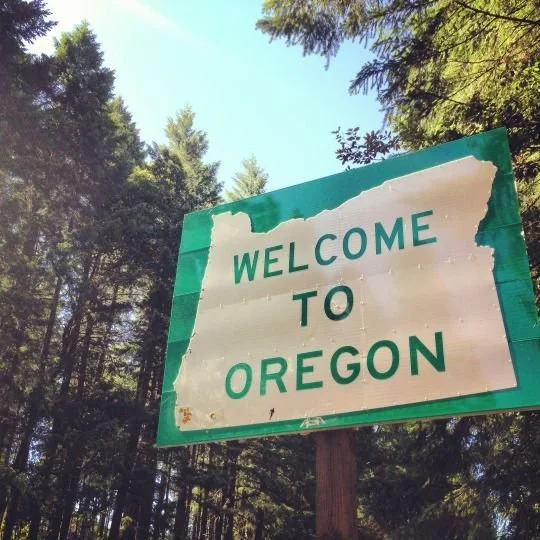
Oregon’s program attracts clients from across the country.
During parts of 2025, nearly 60 percent of responding clients traveled from outside the state. That percentage declined in early 2026, but out-of-state clients continued to represent a substantial share of participation. Within Oregon, clients were concentrated in urban and western counties, particularly Multnomah County.
For the field, this creates a complicated picture.
Oregon has become a national destination for regulated psilocybin services. Yet many state residents still face long travel distances, local bans, transportation barriers, and limited nearby options.
Clients who are homebound, disabled, medically fragile, or unable to travel independently may be excluded even when they otherwise qualify. Oregon’s in-person service requirement has already led to legal challenges from healthcare providers who argue that the framework disadvantages clients who cannot reach a service center.
Clinicians should pay close attention to this distinction.
A service can be legal and still remain out of reach. An appointment can be available and still be impractical. A client can qualify and still be unable to participate.
Meaningful access requires more than an open seat. It requires transportation, preparation, continuity of care, appropriate referrals, and a realistic plan for what happens after the client returns home.
The Safety Data Is Encouraging, but It Is Not Complete
Oregon’s reported safety outcomes are among the strongest signals in the data.
Since regulated sessions began, 32 emergency service reports have been documented across 22 active service centers and more than 44,600 psilocybin products sold. The reported rate of sessions without an Oregon-defined adverse event is above 99 percent.
That suggests regulated settings, preparation requirements, onsite supervision, product testing, and practitioner oversight are contributing to a low rate of acute emergencies.
Still, the definition matters.
Oregon’s reporting system primarily captures events that require emergency services, medical care, or hospitalization. In clinical research, adverse events often include less severe reactions such as nausea, headaches, anxiety, sleep disruption, or temporary psychological distress.
Those experiences may not appear in Oregon’s public data unless they result in formal medical intervention.
The follow-up window is also limited. Current reporting includes delayed reactions within 72 hours, but some clinically significant effects may emerge later. Post-session reports also depend heavily on clients initiating contact. Service centers are not uniformly required to conduct structured follow-up at the intervals commonly used in clinical research.
The data should not be read as evidence that Oregon’s system is unsafe.
It should be read as evidence that emergency reporting captures only part of the clinical picture.
Preparation, medication review, informed consent, integration, and longer-term follow-up remain essential. Practitioners must continue paying attention after the administration session ends.
The Practitioner Workforce Is Growing Faster Than the System

Oregon has seen rapid growth in facilitator licensing.
By June 2026, the state had approved 692 licenses across facilitators, manufacturers, service centers, and laboratories. Facilitators represented the largest category, with 383 currently approved licenses. At the same time, only 22 of the state’s 35 licensed service centers remained operational.
That imbalance should matter to anyone considering professional training.
Certification can prepare a practitioner for the work. It does not guarantee a position, a full caseload, or a sustainable business model.
Training programs often cost between $4,500 and $12,000. Practicum requirements and licensing fees can push first-year expenses above $10,000. Service centers face their own financial pressure, including high annual license fees, regulatory reporting, security requirements, and inconsistent demand.
The field is attracting serious professional interest. The infrastructure available to support that interest is still developing.
This makes the quality of training even more important.
This is where Changa’s government-accredited training programs become especially significant. Our accreditation ensures alignment with regulatory standards, structured competency-based learning, and a curriculum designed to meet the expectations of licensed service centers and oversight bodies. For practitioners, this kind of recognized training can strengthen credibility, improve employability, and provide clearer pathways into compliant, professionally governed practice environments.
Practitioners need more than the minimum hours required for licensure. They need a strong command of contraindications, scope of practice, medication considerations, ethical boundaries, cultural responsiveness, risk assessment, and interdisciplinary care.
The easiest path into the field should not define its standard.
The responsibility of the work should.
Explore Changa Institute’s government-accredited clinical training programs for psilocybin, ketamine, MDMA, ibogaine, and 5-MeO-DMT HERE.
What Clinicians Should Take From Oregon

Oregon’s experience offers several practical lessons for professionals considering psilocybin-assisted practice.
First, evaluate the full professional environment, not only the credential. Look at service-center capacity, state rules, employment structures, client demand, and referral relationships.
Second, treat affordability as part of service design. Cost determines who can participate, who returns, and who remains outside the system.
Third, build follow-up beyond regulatory minimums. A 72-hour reporting window is not a substitute for integration and longer-term clinical observation.
Fourth, read the data carefully. Low emergency rates are encouraging, but client opt-outs, changing reporting categories, and narrow definitions affect what the numbers can tell us.
Finally, choose training that reflects the complexity of the work. This field requires clinical judgment, regulatory precision, cultural humility, and a willingness to remain accountable to evidence as it develops.
Oregon built the country’s first regulated pathway. Its data is now showing where that pathway is holding and where the next standard must be stronger.
The next chapter of mental health care is being written by clinicians prepared to meet that responsibility.
Read the full Oregon Psilocybin Services Tracker here
