
Psychedelic Training in Oregon: What to Know and Expect in Oregon
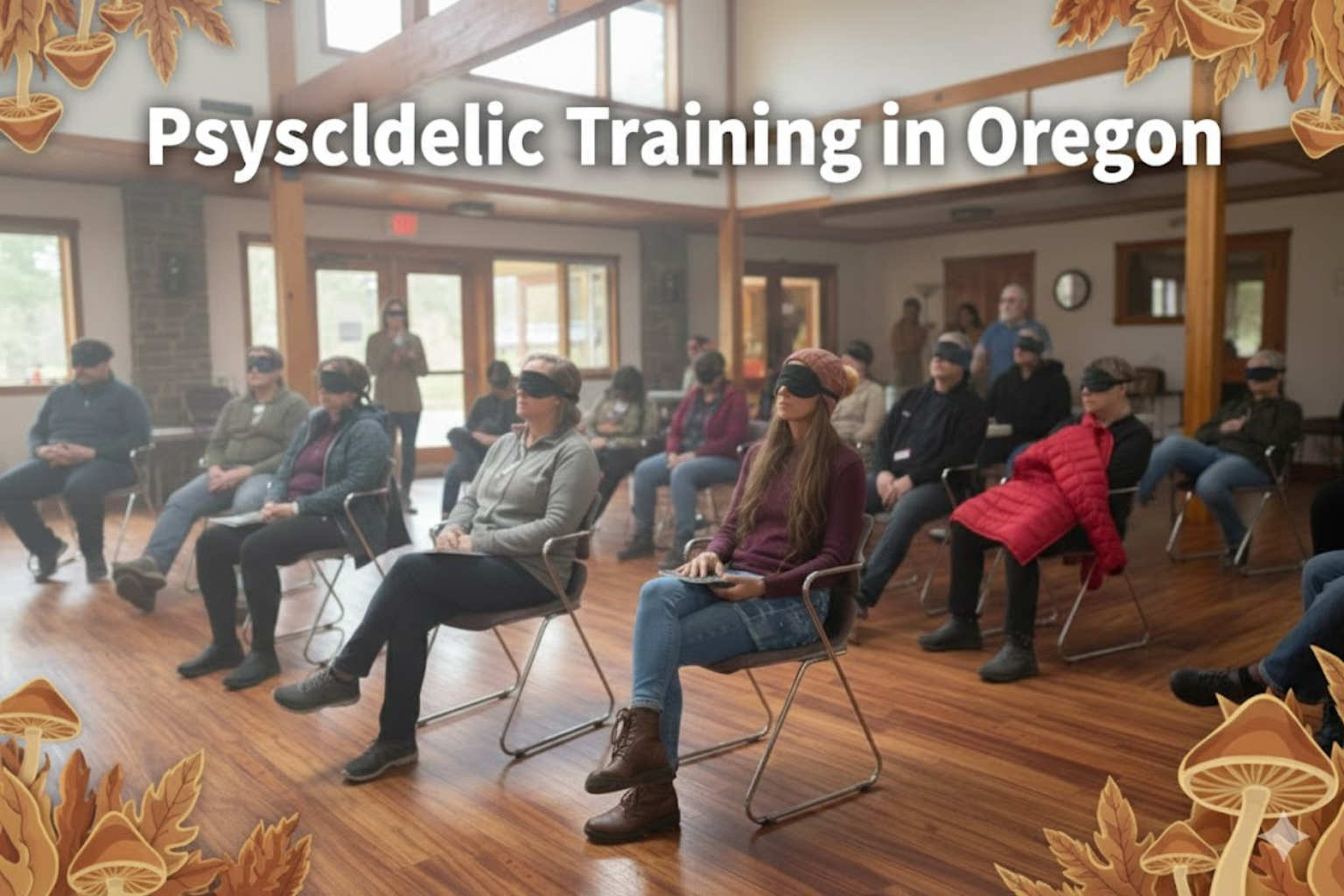
Oregon seems a little bolder than other locations, for whatever reason. Perhaps it's the woods. Perhaps it's the candidness with which people discuss mental health, mending, and changing things. Or perhaps it is because, while the rest of the nation was still holding its breath, Oregon was prepared to take the initiative.
Oregon's legalisation of psilocybin therapy did more than simply alter state law. Conversations were altered. It provided opportunities for those seeking novel approaches to healing as well as for those who were motivated to assist in directing that process in a responsible and considerate manner. Thus, in Oregon, psychedelic training became as important as having access to the therapy. All of a sudden, in addition to people looking for this kind of help, professionals, carers, and facilitators also wanted to know how they might be properly trained to perform this work.
You're not the only one who has been secretly considering psychedelic therapy training in Oregon. Some come here because they have personally witnessed the impact of this work. Others arrive because they feel called to join something that is more focused, grounded, and human than traditional methods.
In any case, it frequently begins with the same straightforward query.
What if people could feel entire again in a different way?
Why Oregon Became the Center of Psychedelic Training
If you’ve been paying attention to how Oregon approached psychedelic therapy, one thing stands out pretty quickly. The state didn’t rush. It slowed down, thought things through, and built a system that puts safety, ethics, and responsibility first. And in a space as powerful as psychedelic-assisted therapy, that kind of care really matters.
Trained facilitators lead individuals through authorised, supervised psilocybin experiences intended to promote spiritual understanding, emotional healing, or personal development under the framework of Oregon's psilocybin services program. It's not about following trends or taking short corners. It involves carrying out the task with care, purpose, and consideration for all parties. Checking out the Oregon Health Authority's page will give you an idea of how seriously this is treated. It serves as a reminder that this isn't taking place in secret. It is carefully planned, regulated, and constantly changing as Oregon discovers what is effective and what needs improvement.
This explains why so many people in Oregon are looking for psychedelic training. It feels like a location where this job is being done correctly, not just because it's new.
What Psychedelic Therapy Training Actually Looks Like
It helps to clear one thing up early, especially if you’re still feeling your way into this. Psychedelic assisted therapy training isn’t really about the substance itself. It’s about people. About learning how to hold space, how to listen more than you speak, and how to stay steady when someone is opening up in ways they may never have before.
When you look more closely, most psychedelic therapy training programs are designed to be practical, reflective, and responsibility-focused. They typically include core areas such as:
preparation and screening, so participants are supported before any experience begins
ethics and professional responsibility, including boundaries, consent, and scope of practice
trauma-informed care, recognizing that non-ordinary states can surface deep emotional material
session facilitation skills, with an emphasis on presence rather than direction
integration support, helping people make sense of experiences afterward
legal and regulatory education, especially important in states like Oregon where services are licensed and overseen
Because this task isn't intended to be hurried, training programs frequently call for a substantial time investment, sometimes dispersed over several months. In order to help you understand not just what to do but also how to be during these sessions, many also incorporate introspective exercises, peer discussions, and supervised practice.
Many individuals are surprised by how intimate the process gets.
After the training, you don't feel like you know everything. The majority of people really claim that the opposite occurs. You grow more conscious of your boundaries, more considerate of your role, and more appreciative of the duty that comes with assisting someone else with their inner journey.
People who’ve completed psychedelic therapy training often talk about a few consistent shifts:
learning how to sit with discomfort without immediately trying to resolve it
becoming more comfortable with silence and emotional intensity
listening without needing to fix or interpret what someone is feeling
trusting structured processes rather than personal assumptions
Those aren’t just professional skills. They tend to show up in everyday life too, in conversations, relationships, and how you respond to uncertainty.
That alone is powerful.
Is Psychedelic Training for You?
You're probably not approaching psychedelic training in Oregon from a single perspective. Some come because they have witnessed the potential impact of our endeavour. Others are because they're trying to find a more fulfilling method to help individuals adjust to change. In any case, knowing what this training is truly preparing you for is helpful.
Fundamentally, psychedelic training isn't about jumping into a profession for which you're unqualified or becoming a therapist overnight. Trained facilitators in Oregon's program do not identify or treat mental health conditions. Rather, you are trained to facilitate psilocybin sessions and to provide people with pre- and post-experience care within well-defined parameters.
A certain skill set that goes beyond academic knowledge is required for this type of work. Training courses are designed to help you grow:
emotional intelligence and the ability to remain grounded during intense experiences
presence and attentiveness, especially when words aren’t needed
clear ethical boundaries, including consent and scope of practice
preparation and integration support, which are often as important as the session itself
an understanding of Oregon’s regulatory and licensing requirements
Participants in psychedelic training come from a wide range of backgrounds. Some come with coaching, medical, or therapy experience. Others come from business work, wellness, or education. What they typically have in common is a readiness to embrace this work with humility and care rather than a particular credential.
Oregon outlines licensure and oversight through its regulated psilocybin services framework here, if you'd like a better idea of how the state defines this function. Reading it can assist in transforming Oregon's psychedelic training from an idealised concept into something concrete, organised, and based on accountability.
Psychedelic Integration Coach Training: Where the Real Work Happens
If there’s one part of psychedelic therapy training that often gets less attention, it’s integration. And yet, this is where much of the real work tends to happen.
After a session, insights and emotions don’t arrive neatly organized. Psychedelic integration coach training focuses on supporting people as they make sense of what they experienced and begin connecting it to everyday life. In many training programs, integration is introduced as a core element, especially around preparation and follow-up. Some people later choose to focus on integration more deeply through separate or advanced training.
This is where growth either takes root or slowly fades.
Integration work is quieter and slower. It’s about helping someone reflect without pushing, grounding insights without forcing meaning, and avoiding the urge to explain or interpret their experience for them.
As some coaches describe it, you’re simply walking beside someone as they unpack something that felt deeply real.
You’re there to help them listen to themselves.
Breathwork and Psychedelic Training: A Natural Pair
As you research psychedelic training, you'll probably find that many programs incorporate psychedelic breathwork training. Despite not including drugs, breathwork is frequently utilised as a preparatory and instructional aid in facilitator training because it consistently results in altered states of consciousness. Before leading others through unusual states, breathwork helps you develop your presence and regulation skills. In fact, many organisations consider breathwork to be a fundamental part of psychedelic facilitator training.
Breathwork is used in many psychedelic therapy training programs to help you experience unusual states in a safe, drug-free manner. You can gain firsthand knowledge of how the nervous system reacts, how emotions flow through the body, and how grounding techniques help you stay safe and control yourself during stressful situations.
Additionally, breathwork training develops useful abilities related to trust, surrender, and emotional control—all of which are critical in environments involving psychedelics. Breathwork is frequently an approachable starting point for those who are wary about psychedelics. It develops into a supplementary ability for facilitators, enhancing awareness and presence during the entire training session.
Choosing the Right Psychedelic Therapy Training Program
Here’s where honesty matters.
Not all psychedelic therapy training programs are equal. Some are deeply grounded, thoughtful, and ethical. Others feel rushed or overly commercial. When exploring training options, it helps to ask a few hard questions. Does the program emphasize safety and ethics? Does it talk about integration as much as the experience itself? Does it acknowledge the emotional weight of this work? Does it encourage ongoing supervision and self-reflection?
If a program promises quick transformation or guaranteed outcomes, that’s a red flag. Real healing doesn’t work like that. The best programs feel human and leaves room for uncertainty. They don’t rush the process.
Why People Are Drawn to Changa Institute
One name that keeps coming up in conversations about psychedelic therapist training is Changa Institute. What stands out isn’t flashy language or hype. It’s the grounded approach. The focus on responsibility. The sense that this work is treated with the seriousness it deserves.People who explore training through Changa Institute often mention feeling supported, not pressured. Educated, not sold to. In this space, that kind of trust matters.
If you’re feeling curious about psychedelic training in Oregon, pay attention to that curiosity. Not in a rushed way. In a quiet, respectful way. This work asks something of you. It asks you to slow down. To listen deeply. To stay present when things feel intense or unclear.
It’s not for everyone. And that’s okay. But for those who feel called to it, it often feels less like a career move and more like a responsibility they can’t ignore.