
Looking for Psychedelic Therapy in Colorado? Changa Institute
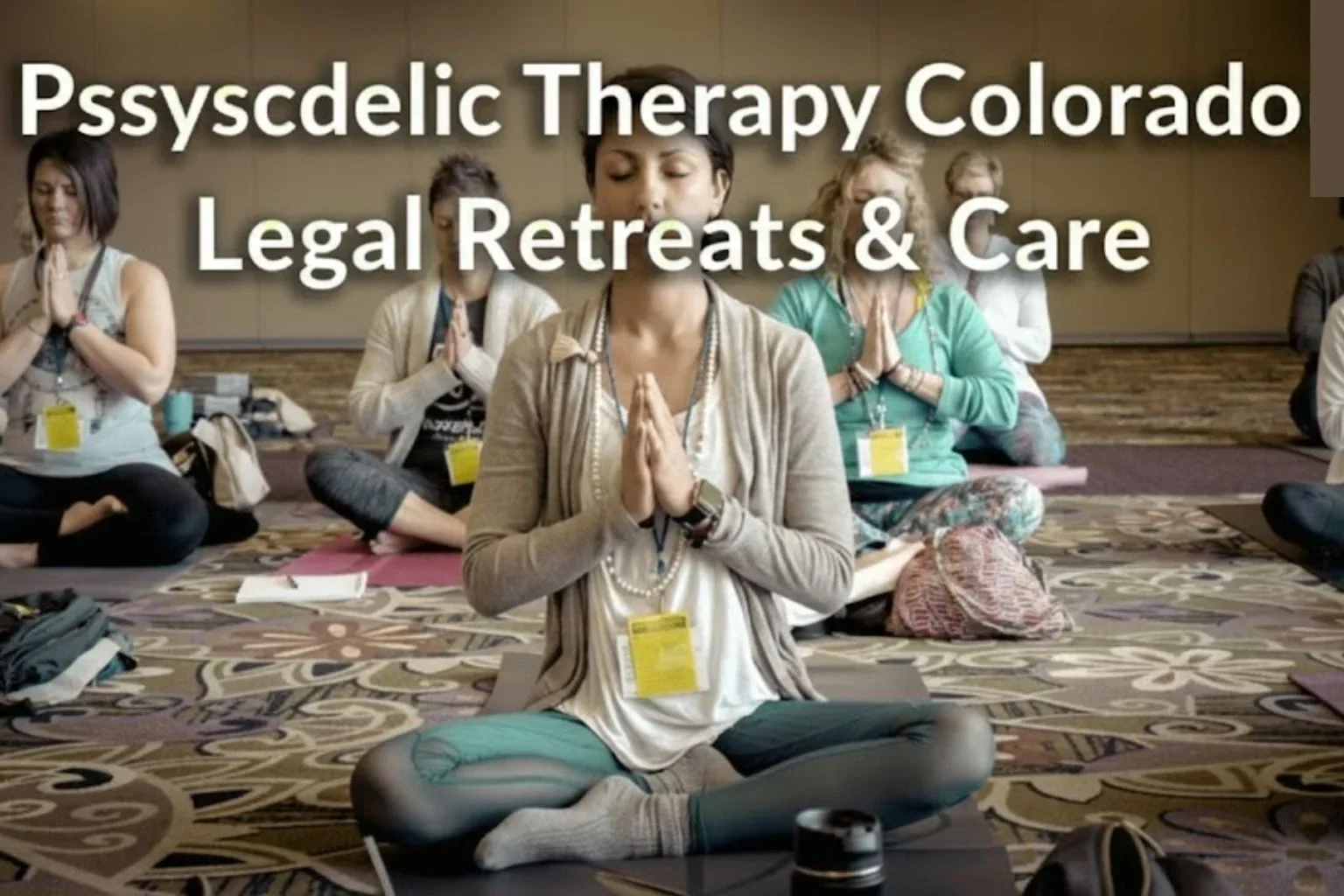
Perhaps conventional methods haven't been successful. Perhaps you're dealing with burnout, loss, or a desire to understand yourself better. Or perhaps you've heard about psilocybin treatment and would like to learn more about it in a safe, legal, and expertly supervised setting.
Adults looking for guided experiences now have more options because to Colorado's changing attitude to psychedelic services. But perplexity comes with new alternatives. Retreat or therapy? A private facilitator or a licensed centre? What is and isn't legal?
This manual explains what modern Colorado psychedelic therapy entails, how it varies from psychedelic retreats, and how professional assistance—like the training and facilitation provided by Changa Institute—fits into the picture.
What Does Psychedelic Therapy Mean in Colorado?
Psychedelic therapy is a type of facilitated and deliberate experience of drugs like psilocybin, under the guidance of trained leaders in organized settings. It is not focused on recreation. Rather, it is oriented on preparation, emotional security, and assimilation.
The state of Colorado has been a center of attention in the country after it was voted that residents of the state were to adopt the measure known as Proposition 122, where it was decided that a legal channel through which supervised natural medicine services were to be practiced was created. According to the coverage of the state of Colorado in the magazine Time on the decriminalization of psychedelics, access to the drug should be organized systematically, focusing on the safety of the participants and social control.
The given framework will make Colorado one of the few states in the United States that tried to strike a balance between access and accountability.
Is Psilocybin Therapy Legal in Colorado?
At the state level, yes—within specific boundaries.
Colorado permits adults of 21 and above to use facilitated psilocybin experiences as soon as licensed healing facilities and facilitators are operational. These services are included into the Natural Medicine Program of the state, which predetermines the requirements of training, screening, supervising, and integration.
The Colorado psilocybin healing centers covered by the Rocky Mountain PBS indicate that the centers will not be designed as a clinical or recreational center but as a place of tranquility and comfort.
It is necessary to know that psilocybin is not legalized in the federal legislation. Colorado protection is only applied to the system that is regulated in the state.
What Happens During Psilocybin Therapy in Colorado?
While each provider differs, most psilocybin therapy in Colorado follows a three-phase model:
Preparation
You meet with a facilitator to discuss intentions, concerns, mental health history, and expectations.The Guided Experience
The psilocybin session takes place in a supervised setting. Facilitators focus on grounding and safety, not directing the experience.Integration
Afterward, you work through insights and emotions to help apply them meaningfully to daily life.
This structure exists to reduce risk and increase long-term benefit.
Who Are Psychedelic Facilitators—and What Do They Actually Do?
Facilitator Psychedelic facilitators are certified to offer safety, emotional support, and integration to the participants before, during, and after the psychedelic experiences. They never diagnose or offer treatment unless they have individual clinical licenses.
Their task is one of preparation, safety, support, emotional, and integration- but not treatment or diagnosis. When used in a regulated or structured environment psychedelic facilitators are obliged to:
Preparing participants before sessions
Helping individuals understand the process, clarify intentions, and assess emotional readiness.Maintaining safety during experiences
Monitoring physical and emotional well-being while creating a calm, supportive environment.Supporting difficult or intense moments
Offering grounding and reassurance without directing, interpreting, or controlling the experience.Holding a non-directive presence
Allowing experiences to unfold naturally while intervening only when safety or stability requires it.Assisting with post-session integration
Supporting reflection and meaning-making so insights can be applied in daily life.
Facilitators operate within defined ethical boundaries and scope of practice, ensuring psychedelic experiences are approached with responsibility, care, and respect—particularly in professional or regulated environments.
Exploring Psychedelic Retreat Options in Colorado
The state of Colorado is now a well-established center of psychedelic retreats, with experiences that run the gamut from small and reflective gatherings to immersive multi-day retreats. These retreats are usually mixed with psilocybin sessions guided and purposeful surroundings that assist in preparation, contemplation, and group assimilation.
Online lists of retreats, like the Colorado psilocybin retreat listing on Retreat Guru allow the intended participants to get an overview of retreats within the state by breaking down the most important factors like the length of the retreat, the number of participants, and the facilitator. Having this information will make it easier to reduce the number of options to ones that can help accomplish your goals and comfort level.
In the study of psychedelic retreats in Colorado, one should not only focus on the location but also pay attention to practical factors that have a direct impact on the safety and results, such as:
Guidelines on clear preparation.
Retreats are also supposed to provide support mechanisms to participants prior to the experience, such as expectations, psychological preparedness, and setting of the intention.
Transparent facilitator credentials
Knowing who is guiding the experience—and their training or background—helps establish trust and accountability.
Defined integration support
Post-experience reflection, whether through group circles or follow-up sessions, plays a key role in helping insights translate into daily life.
These factors often have a greater impact on the overall experience than location or aesthetics alone.
Professional Training and Guidance
Due to the increase in the popularity of psychedelic therapy in Colorado, the role of well-prepared facilitators has gained special significance. Psychedelic experiences may raise the issues of rich emotional content, which is why proper education is a major role of responsible and ethical care.
The Colorado certification programs offered by Changa Institute are aimed at training facilitators to work in a regulated environment and not an informal one. The core competencies that are focused on in training are required to promote safety, professionalism, and long-term preparedness, including:
Trauma-informed approaches
Facilitators learn how to recognize and respond to emotional distress with care, stability, and appropriate boundaries.
Ethical boundaries and scope of practice
Training clarifies consent, power dynamics, and what facilitators can and cannot do within regulated psychedelic settings.
Safety protocols and risk awareness
Programs cover screening considerations, situational awareness, and response strategies for challenging moments.
Client preparation and integration
Facilitators are trained to support participants before sessions and help them process insights afterward in meaningful ways.
Rather than offering fast or surface-level certifications, Changa Institute prioritizes depth, supervision, and long-term professional readiness—reflecting the responsibility involved in psychedelic facilitation.
Preparing Yourself for Psychedelic Therapy or a Retreat
Preparation is not optional. As a matter of fact, it predicts the stance of a psychedelic experience being supportive, grounding, and meaningful or being confusing and overwhelming more than anything. Psychedelic therapy and psychedelic retreats are dependent, to a great extent, on the level of preparation that a participant has before the experience.
The guide to a Colorado psilocybin retreat, introduced by resources like Changa Institut,e emphasizes the need to plan the mindset, intention, and aftercare. It is the mental, emotional, and practical preparedness, and all these contribute to the way the experience is going to be.
The main aspects of considerate preparation are:
The attitude and goal-setting
It is also a good idea to pause and think about why you are doing it to offer some sense of direction and emotional background on the experience.
Emotional readiness
Psychedelic experiences are capable of arousing intense emotions or memories. Knowing how you feel at any given point in time ensures that there is less shock and pain.
Understanding the process
Knowing what the session or retreat will involve—including structure, duration, and support—can ease anxiety and build trust.
Aftercare and integration planning
Identifying how you will process insights afterward, whether through journaling, conversations, or follow-up support, is essential for long-term benefit.
Thoughtful preparation helps you meet emotional intensity with greater clarity, resilience, and self-awareness, making the overall experience more grounded and constructive.
Is Psychedelic Therapy in Colorado Right for You?
Psychedelic experiences are powerful. They’re not shortcuts or guaranteed solutions.
Before participating, consider:
Your mental health history
Your support system
Your readiness for emotional depth
Access to integration support
Colorado’s regulated model exists to reduce harm, but personal responsibility still matters.
Safety, Ethics, and Responsibility
The psychedelic scheme of Colorado revolves around safety. The providers and facilitators are supposed to adhere to evidence-based standards in regard to screening, consent, supervision, and emergency planning.
The regulated settings, as highlighted in the overview of the legal psilocybin landscape of Colorado, carried out by Beckley Retreats, aim at safeguarding the participants and enabling meaningful exploration.
Conclusion: To Find a Wise Way Forward
Colorado now has actual, regulated entry points to psychedelic therapy, which, in case you need it, provides. To bring you on the journey of psilocybin treatment, well-selected psychedelic retreats, or even professional training, informed decisions are all that it matters.
The strategy in Colorado focuses on preparation, responsibility and integration. To individuals interested in thinking critically, it provides a model that is aimed at encouraging effective and harmless change.