
Psilocybin and Longevity: Promising Data, Early Interpretations

Psilocybin has already been studied for depression, anxiety, addiction, and other psychiatric conditions.
Now the conversation is moving into a different territory: aging.
A 2025 study published in npj Aging reported that psilocin, the active metabolite of psilocybin, extended the lifespan of human cells in laboratory conditions. In the same study, aged mice receiving psilocybin showed greater survival than untreated controls.
The findings attracted immediate attention.
Some headlines suggested psilocybin might slow aging or extend human lifespan.
That is not what the study established.
For clinicians and practitioners following the development of psychedelic medicine, the more useful question is not whether psilocybin is becoming a longevity drug.
It is what this early evidence tells us about the broader biological effects of a compound that has largely been studied through the lens of mental health.
What the Study Actually Found
Researchers examined the effects of psilocin on human lung and skin cells grown in laboratory conditions.
In human fetal lung fibroblasts, treatment with 10 micromolar psilocin extended cellular lifespan by 29 percent compared with untreated cells. At a higher concentration of 100 micromolar, cellular lifespan increased by 57 percent.
The cells still eventually reached senescence, meaning they stopped dividing. Psilocin did not make the cells immortal. It appeared to delay the point at which that process occurred.
Researchers then examined psilocybin in aged female mice.
The animals were 19 months old at the start of treatment, an age the researchers compared broadly with later adulthood in humans. The mice received an initial dose of 5 mg/kg followed by monthly doses of 15 mg/kg for 10 months.
At the end of the observation period, 80 percent of the psilocybin-treated mice were alive compared with 50 percent of the control group. Researchers described this as a 30 percent improvement in survival.
The results are scientifically interesting.
They are also preclinical.
No human participants were treated with psilocybin to determine whether it extends lifespan, slows biological aging, or prevents age-related disease.
That distinction is the most important part of the story.
Cellular Lifespan Is Not Human Lifespan
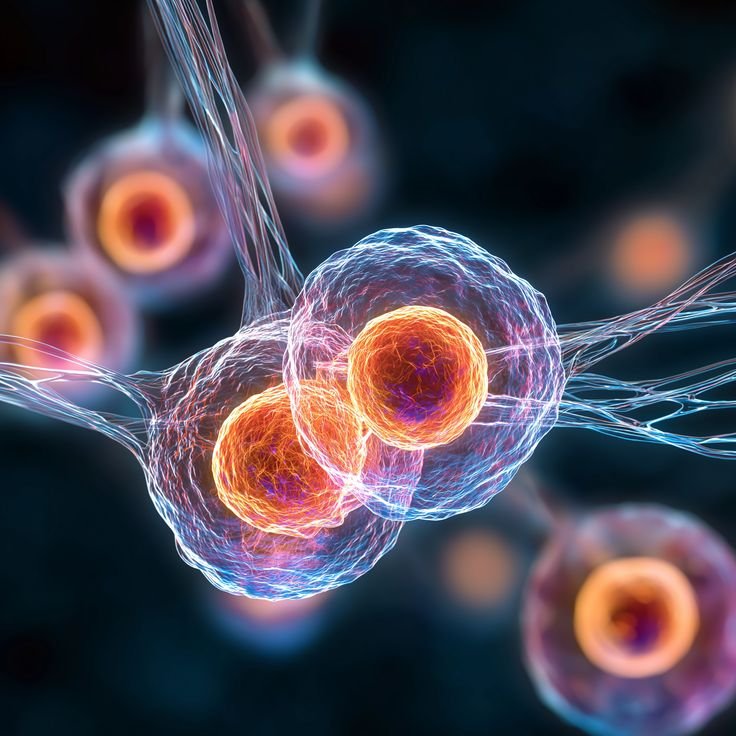
A cell surviving longer in a laboratory dish is not the same as a person living longer.
That may sound obvious, but it is precisely where public interpretation can become distorted.
Laboratory cell models are useful because they allow researchers to examine processes such as cellular senescence, oxidative stress, DNA damage, and proliferative capacity under controlled conditions.
They do not recreate the complexity of a living human organism.
Human aging involves cardiovascular health, immune function, metabolism, cancer risk, neurological change, genetics, behavior, environment, socioeconomic conditions, and decades of interacting exposures.
A result in cultured cells can identify a mechanism worth studying.
It cannot establish a clinical outcome.
The same caution applies to animal research.
Mice are essential to biomedical research, but drug metabolism, lifespan, dosing, physiology, and disease progression differ substantially between mice and humans.
The doses used in the longevity experiment also deserve attention. These were not small or intermittent human-style microdoses. The aged mice eventually received 15 mg/kg of psilocybin every month.
DoubleBlind highlighted this issue in its coverage, noting that the dosing regimen was far removed from ordinary human psychedelic use and that translating the result directly into human terms would be inappropriate.
Why the Findings Still Matter
Scientific restraint does not require dismissing the study.
The work is notable because it broadens the biological questions being asked about psilocybin.
Most clinical interest has focused on the central nervous system, particularly serotonin signaling, cognition, mood, emotional processing, and neuroplasticity.
This study examined systemic aging processes.
The researchers reported changes associated with cellular senescence and suggested that psilocybin and psilocin may influence biological pathways related to aging. The work raises questions about oxidative stress, cellular resilience, telomere biology, and other processes that extend beyond the acute psychedelic experience.
That shift matters.
If future studies confirm that psychedelics exert meaningful effects outside the brain, the field may eventually need a broader understanding of their pharmacology.
But that possibility remains a research question.
It is not yet a clinical indication.
The Longevity Conversation Creates a Familiar Risk
Psychedelic medicine and longevity science share a communication problem.
Both attract considerable public interest before the evidence is mature enough to support many of the claims being made around them.
Put the two together, and the potential for exaggeration increases.
DoubleBlind’s reporting on the study focused directly on this tension. The publication noted that coverage quickly moved from a mouse survival experiment and laboratory cell findings to claims suggesting mushrooms could help humans live longer.
That leap may generate attention.
It does not serve the field.
When preliminary findings are presented as established benefits, clinicians eventually inherit the consequences.
Clients arrive with expectations formed by headlines.
Practitioners then have to distinguish between what has been observed, what is plausible, what remains speculative, and what has actually been demonstrated in humans.
That work is part of evidence literacy.
It is also part of Stewardship.
Healthy Aging Is More Than Lifespan
There is another reason the longevity discussion deserves more precision.
Living longer and aging well are not the same outcome.
Researchers studying aging increasingly distinguish between lifespan and healthspan.
Lifespan refers to how long an organism lives.
Healthspan refers to how long it remains healthy, functional, and relatively free from disabling disease.
The distinction becomes particularly relevant in psychedelic research because some of the most established areas of investigation involve psychological suffering associated with serious illness, depression, anxiety, meaning, and end-of-life distress.
A future role for psychedelics in aging may ultimately have less to do with extending the number of years a person lives and more to do with how people experience those years.
That possibility is already more consistent with the current human research landscape.
But even here, clinicians should remain precise.
Evidence supporting psychological outcomes in specific populations should not be used as proof of broader anti-aging effects.
Different claims require different evidence.
What Practitioners Should Take From the Research

The study offers several useful lessons for professionals following psychedelic science.
Separate mechanism from clinical outcome.
Changes in cellular aging markers can justify further research. They do not establish that psilocybin extends human life.
Keep animal findings in their proper context.
An increase in survival among aged mice is meaningful preclinical evidence, but mouse studies are designed to generate and test biological hypotheses, not provide direct treatment recommendations for humans.
Pay attention to dose.
The dosing used in animal research may differ substantially from doses used in human clinical practice. Dose comparisons across species require careful pharmacological interpretation.
Expect clients to encounter the headlines before they encounter the limitations.
As psychedelic research enters mainstream media, practitioners increasingly need to communicate uncertainty clearly without dismissing legitimate scientific interest.
Do not let enthusiasm lower the evidentiary standard.
A promising result deserves investigation precisely because it is promising. It does not need to be turned into a conclusion before the evidence is ready.
The More Important Question
It is too early to say whether psilocybin has any meaningful effect on human longevity.
The 2025 study did not answer that question.
What it did was open a new line of investigation.
Psilocin delayed cellular senescence in laboratory models. Aged mice receiving psilocybin showed higher survival. Those results are enough to justify further study, including research into mechanism, dosing, safety, age-related disease, and eventually human populations.
That is where the evidence stands.
For a field working toward greater clinical legitimacy, precision matters as much when the findings are exciting as when they are disappointing.
The next standard in psychedelic medicine will not be built by making the largest claim available.
It will be built by practitioners who know exactly how much the evidence can carry.
Sources:
DoubleBlind: Was the Life-Extending Psilocybin Study All Hype?
https://doubleblindmag.com/was-the-life-extending-psilocybin-study-all-hype/
Primary Research: Psilocybin treatment extends cellular lifespan and improves survival of aged mice | npj Aging
https://www.nature.com/articles/s41514-025-00244-x
