
How Psychedelics can Heal a Broken Mind
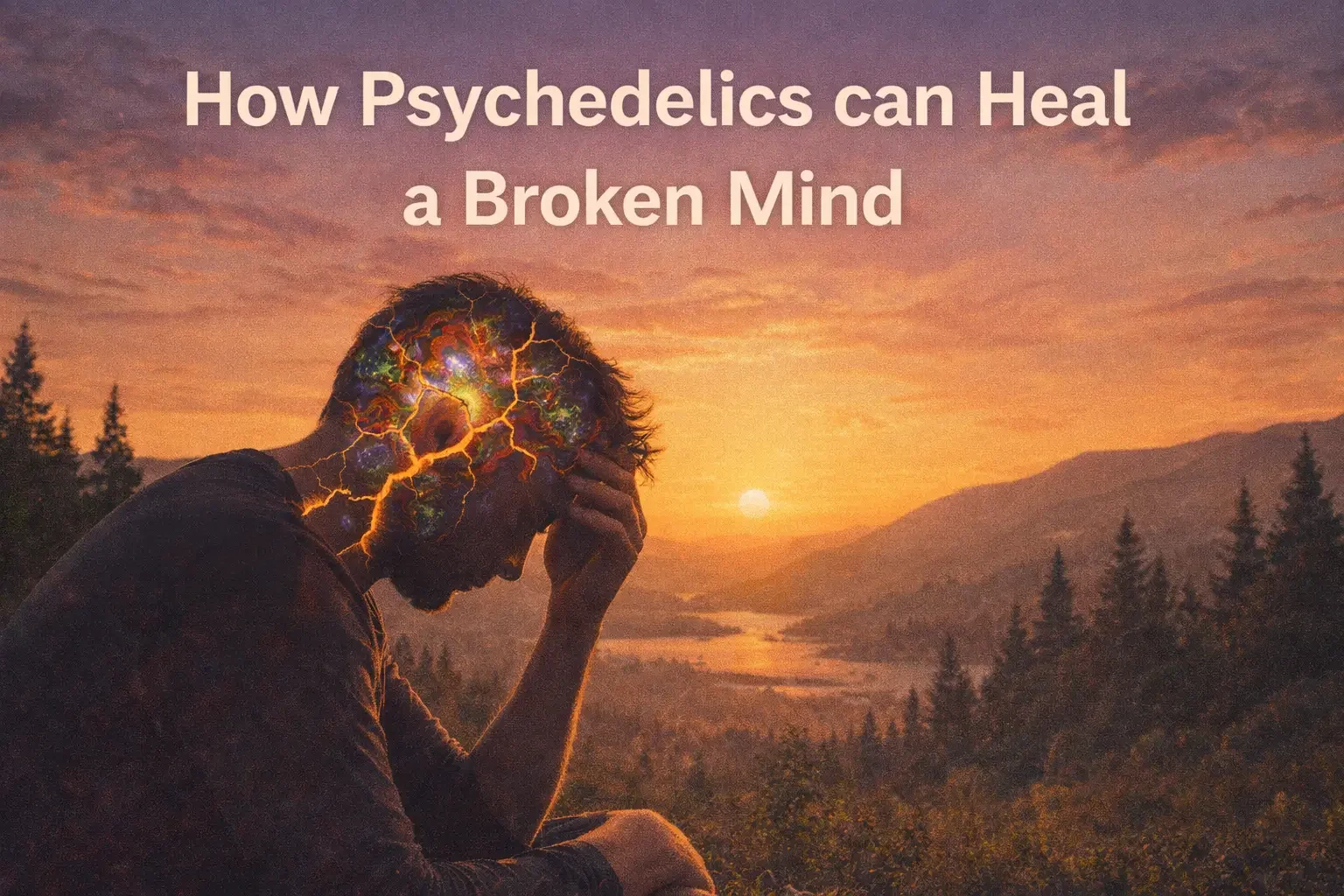
Psychedelic healing has emerged as a powerful approach for people struggling with trauma, depression, and emotional pain that traditional treatments often fail to resolve. When the mind is fragmented by long-standing psychological wounds, psychedelics healing offers a science-backed path toward deep emotional release and long-term transformation.
Scientifically supported healing through psychedelics such as Psilocybin, MDMA, or ayahuasca has now evolved as one of the viable alternative healing methods that not only rewire one’s brain but also provide long-term healing strategies as demonstrated by studies conducted by organizations like Johns Hopkins University and Yale. At Changa Institute, we do not heal by removing the pain but changing our association with it.
What Does “Psychedelic Healing” Really Mean?
Psychedelic healing involves the use of consciousness-altering substances for the purposes of treating mentally ill persons, working through traumas, as well as pursuing emotional healing. This should be distinguished from recreational use.
Key Differences: Therapeutic Use vs Recreational Use
Therapeutic Use
Recreational Use
Guided by trained professionals
Unsupervised or peer-guided
Specific healing intentions set beforehand
Focus on novelty and experience
Controlled, safe environment
Variable settings and conditions
Integration support afterward
No structured follow-up
Medical screening for safety
No health assessment
Essential Components of Psychedelic Healing:
Professional guidance by experienced facilitators
Clear intentions before the experience
A safe and controlled therapeutic setting
Input integration work on ideas
Medical screening to ascertain safety
Effects of Psychedelics on the Brain & Emotions
To comprehend the process of psychedelic healing, one has to first comprehend what is occurring within one’s brain during such events.
Neuroplasticity and Brain Connectivity
Psychedelics are able to interrupt hardwired thinking patterns by increasing the connectivity between areas of the brain that do not usually talk to each other. Research conducted at Imperial College in London has demonstrated that psilocybin reduces activity in the default mode network. This area of the brain is responsible for self-talk.
Main Brain Modifications in Psychedelic Interventions:
Greater communication between areas of the brain
Decreased activity in the default mode network
Neuro-plasticity & growing novel neural pathways
Increased access and processing of emotions
Expanded perspectives and cognitive flexibility
Emotional Release and Processing
The use of psychedelics can help put your underlying emotions right on the surface in a manner that you feel like you can deal with. This isn’t a matter of forcing the emotions to the surface. This involves making your psyche feel safe enough to release the pain that it has stored for the last few decades.
Emotional Healing With Psychedelics
Emotional healing with psychedelics substances targets the psychological suffering that cannot often be accessed by more traditional methods of treatment, such as anxiety, depression, and grief.
Conditions That May Benefit From Psychedelic Healing:
Mental Health Condition
Research Evidence
Typical Outcomes
Treatment-Resistant Depression
Strong clinical trial data
50-70% response rate
PTSD
Breakthrough Phase 3 results
67% no longer meet diagnosis
Anxiety Disorders
Positive preliminary studies
Sustained symptom reduction
End-of-Life Anxiety
Significant research support
Reduced fear of death
In 2021, a study published in the <em>JAMA Psychiatry</em> journal showed that two doses of psilocybin with counseling brought rapid and enduring antidepressant responses to treatment-resistant patients. In the case of anxiety, more specifically in patients with terminal illnesses, the effects of psychedelics have been extremely positive with the reduction of fear of death, as well as the appreciation of life.
Healing Trauma with Psychedelics: What the Research Reveals
Research shows that healing trauma with psychedelics, particularly through MDMA-assisted therapy, allows individuals to revisit traumatic memories without becoming emotionally overwhelmed, making true psychological recovery possible.
How MDMA Helps Process Trauma:
Decreases fear responses in the amygdala
Increases feelings of security and belongingness
Enables recalling trauma memories without re-traumatization
Improves relationship with the guide
Decreases emotional intensity of traumatic memories
Psychedelics can also enable users to work with childhood memories that underpin the current difficulties, enabling users to learn patterns, let go of guilt, or recognize that survivor skills that helped users previously are currently restricting users.
Comparing Psychedelic Treatment to Traditional Treatment
Unlike conventional therapy alone, psychedelics healing works on both neurological and emotional levels, often accelerating insight while still requiring integration and continued therapeutic support.
Comparison: Psychedelic Therapy vs Traditional Treatments
Aspect
Traditional Therapy Alone
Timeline
Often faster breakthroughs
Gradual progress over time
Mechanism
Neurological + psychological
Primarily psychological
Emotional Access
Deep, rapid emotional release
Slower emotional processing
Integration Needs
Critical for lasting change
Built into ongoing sessions
Conventional therapy gives you tools, ideas, and support. Psychedelics can help quicken the therapy process in terms of creating moments of clarity. A single session will not solve all your problems. Growth is a process that requires continued effort.
What Is a Psychedelic Healing Retreat?
A psychedelic healing retreat provides a structured, professionally guided environment where individuals can safely experience psychedelic therapy, supported by preparation, medical screening, and post-experience integration.
The Three Stages of a Healing Retreat:
Phase 1: Preparation
Establishing healing intentions
Healthcare and psychological evaluations
Building Trust Within Facilitators
Phase 2: The Experience
Guided psychedelic ceremony or session
Facilitator Support is Available
Safe, comfortable environment
Phase 3: Integration
Processing information and feelings
Individual and Group Therapy Sessions
Development of an ongoing integration plan
Who Should Consider vs Avoid:
People who have already been trying traditional therapies and are ready for more psychological work may benefit. But for those who have schizophrenia, bipolar disorder, family history of psychosis, and those taking medications that are contraindicated (SSRIs, MAOIs), psychedelic retreats are not recommended.
Is Psychedelic Healing Allowed & Safe in the US?
The legal position regarding psychedelics in the US is quickly shifting.
Current Legal Status by Location:
State/City
Legal Status
Details
Oregon
Legal (regulated)
Supervised psilocybin therapy centers
Colorado
Legal (regulated)
Approved psilocybin programs
Federal Level
Illegal (Schedule I)
Except approved clinical trials
Various Cities
Decriminalized
Including Oakland, Denver, Seattle
When administered in a controlled, therapeutic environment, with proper screening, psychedelics show a high level of safety with very few addictive tendencies. These dangers become exponentially greater with untested drugs, improper medical screening, or unattended environments.
Role of Integration Following the Psychedelic Experience
What really starts to happen with the healing process itself is not necessarily with the use of psychedelics but with the integration of what occurred.
Why Integration Is Crucial:
Helps to prevent key insights from vanishing into abstractions in memory where
Assists in processing challenging emotions that came forward
Relates symbolic experiences to applicable wisdom.
Keeps shifting the perspectiveNewLabel:Maintains perspective shifts
Successful Integration Practices:
Sessions with psychedelic-informed therapists
Keeping daily journals for recording insights
Meditation and Mindfulness Exercises
Support groups that include other people who are on similar journeys
Frequently Asked Questions
How long does the healing process in the psychedelic method take?
The time it takes to heal can vary widely. Some people report being cured after one session, others after several sessions in several months, whereas most protocols require sessions spaced out in weeks with ongoing integration work.
Can psychedelics cure depression permanently?
Psychedelics do not constitute a definitive cure but can make lasting changes possible with therapy. It has been observed that changes brought about by psychedelics last for months or sometimes years. It acts as a catalyst in this process.
What’s the benefit of a psychedelic healing retreat over doing it by yourself?
Professional retreats offer medical screening, trained staff, accurate dosage, emergency care, and integration, while improper or unsupervised use can pose much greater psychological and physical risks, especially for individuals with pre-existing psychological issues.
Are all psychedelic experiences necessarily good?
Not all experiences will be pleasant, and there may be challenging ones that come along. But it is in those challenging experiences that some of the deepest levels of healing can come.
How can I determine if psychedelic healing is appropriate for me?
Think about psychedelic healing as a possibility when traditional methods have failed, you are ready to do serious psychological work, and you are ready to follow the integration process. It is recommended that you consult with mental health professionals who are knowledgeable about psychedelic therapy.
Conclusion
Psychedelic healing is not a quick fix, but a powerful catalyst for change. When approached responsibly, emotional healing with psychedelics can help individuals reconnect with themselves, release long-held trauma, and move toward lasting psychological well-being. At Changa Institute, we believe that psychedelics healing is most effective when science, compassion, and integration work together.