
How Psychedelic Training Programs Are Structured: A Behind-the-Scenes Look
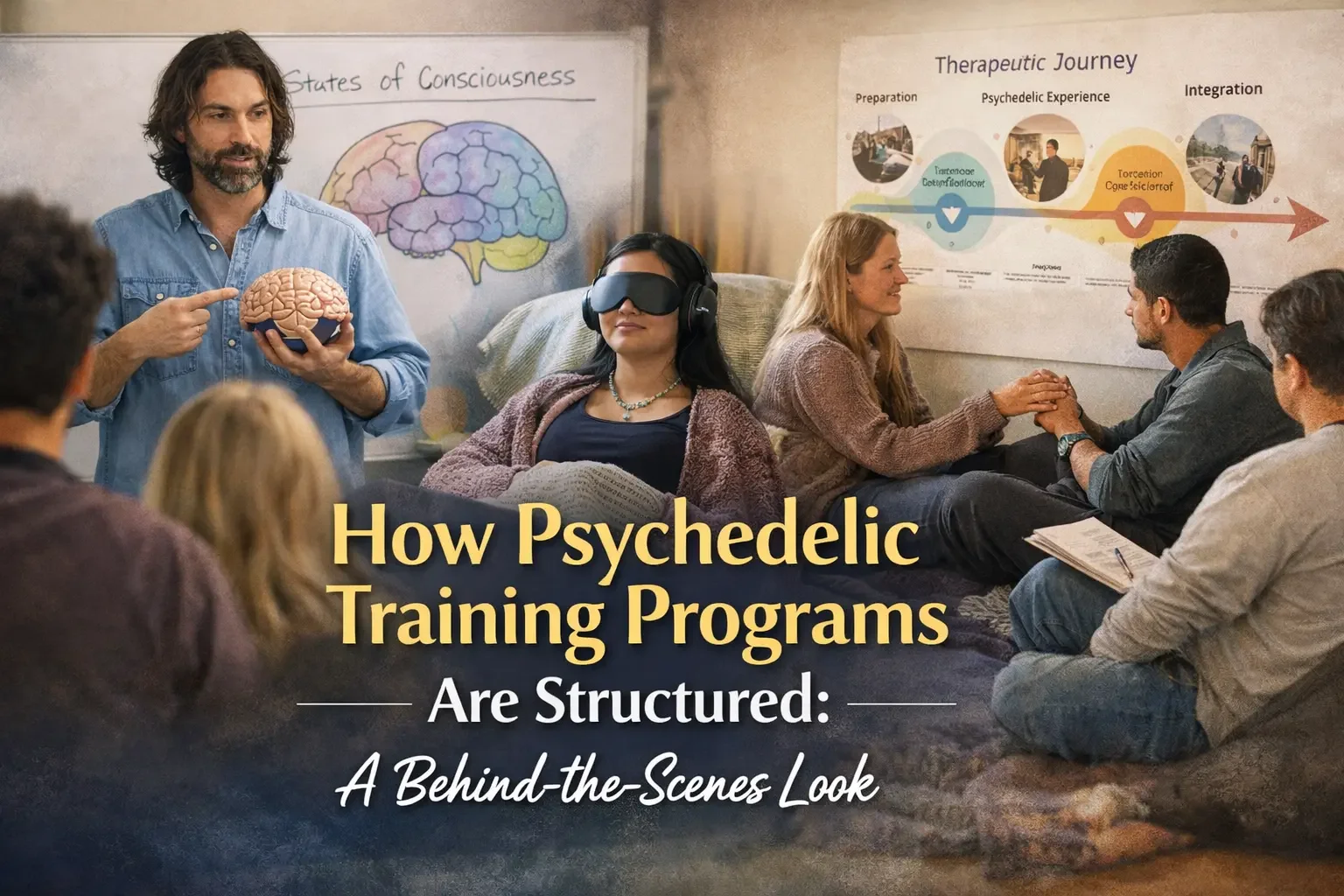
Psychedelic therapy training programs are like detailed classes that get people ready to help others safely and ethically during psychedelic experiences. They mix the science of the brain and psychology with real-world clinical practice, watched training, and a lot about dealing with trauma. Whether you want to be a licensed psilocybin helper or are checking out psychedelic assisted therapy training programs for clinical use, knowing how these programs are set up can help you pick what’s right for you.
This guide will tell you about who can join, what the classes are like, hands-on learning, mentors, and the differences between programs that only teach you to be a facilitator and those for clinical work. Groups such as Changa Institute have been leaders in creating state-approved training that fits strict rules in places like Oregon and Colorado.
What’s Psychedelic Therapy Training All About?
Psychedelic training programs get people ready to help clients going through experiences with stuff like psilocybin, MDMA, and ketamine in places where it’s safe and follows the law. These programs are different from regular mental health training because they teach you how to handle the special stuff that comes up when someone’s mind is in a different state. That means learning how to deal with really strong feelings and helping people make sense of what they felt.
Modern psychedelic facilitator training programs emerged from decades of clinical research at institutions like Johns Hopkins and NYU. Oregon's Measure 109 (2020) and Colorado's Natural Medicine Health Act (2022) created the first U.S. frameworks requiring formal training and licensure.
Who Can Join? What You Need
Psychedelic assisted therapy training programs have different rules for who can join, depending on the state and what the program is about.
Common Eligibility requirements include:
You must be at least 21 years old.
You need to pass a background check.
You need to show you’re dedicated to doing things the right way.
You need a high school diploma (some programs want you to have a degree).
Most psychedelic facilitator training programs don’t ask for advanced degrees, unlike many other fields. This is to let more people join and to recognize that helping people can come from different backgrounds.
But, if you want a clinical facilitator license, there are more requirements. For example, in Colorado, you can be a Facilitator or a Clinical Facilitator. To be the second one, you need to already be a licensed psychologist, social worker, counselor, or doctor.
How the Curriculum Works
Good psychedelic therapy training mixes different areas of knowledge in a well-planned curriculum:
Theory Basics
The first step in training is to get a grip on how psychedelics act on your body and mind. That means learning about the chemistry of things like psilocybin, MDMA, and ketamine. You will also learn how these drugs impact the brain. This includes things about changes in brain activity and how they can make your brain more flexible.
Also, it’s critical to learn the history behind these substances. The training programs look at Indigenous practices and how those relate to today’s research.
Psychology and Therapy Models
The main mental health part of our training includes things like understanding the spiritual side of people, how the body experiences feelings, and trusting that people have the strength to heal themselves.
You’ll learn how to get ready to create a safe and trusting space. Plus, you'll learn ways to help people turn what they learn about themselves into real, lasting change.
Safety and Medical Considerations
Any good program spends a lot of time on checking people out, what might make this type of therapy not a good idea, and how to handle a crisis. You will also learn how to recognize if the other person has something that could pose some risks to the activity, for instance, some mental health problems, heart conditions, among others.
Knowing how to deal with difficult moments is very important. You will learn how to de-escalate, help people stay on track, and recognize when to seek medical assistance.
Ethics and growth as a professional
Training in ethics deals with some special weak spots in psychedelic therapy. When people are more open to suggestions and in touch with their feelings, it can lead to problems if there aren’t clear limits.
Good programs teach things like getting proper consent, using touch in the right way, dealing with strong emotions that come up, and keeping things professional. They often use real situations to show how it all works.
Experiential Learning Components
Just reading about how to lead isn’t enough to get you ready. Good programs include hands-on experiences that help you build skills and understand yourself better.
Personal Practice and Self-Reflection
Most programs want you to do things like meditation, breathing exercises, or journaling regularly. This helps you control your emotions and stay present, which you need to do to support others.
Training programs can’t make you use illegal drugs, but they know that experiencing different states of mind—legally or in traditional ceremonies—can help you learn. Some programs work with legal psilocybin centers or retreats inThe main mental health part of our training includes things like understanding the spiritual side of people, how the body experiences feelings, and trusting that people have the strength to heal themselves.
You’ll learn how to get ready to create a safe and trusting space. Plus, you'll learn ways to help people turn what they learn about themselves into real, lasting change.
other countries.
Interactive Workshops
In our group learning setup, you get to work on how to lead discussions by doing role-playing exercises. You'll have an opportunity to be both the leader and the individual that the leader is attempting to help, followed by feedback from your classmates and the instructor.
We'll examine real clinical patient scenarios to appreciate how to manage complications arising from trauma and guide a patient to recover.
Supervised Practice and Mentorship
Practice with guidance and mentorship helps you connect what you learn in class with doing work on your own.
Practicum Requirements
Each state has rules about how many supervised hours you need. For example, in Colorado, you need at least 40 hours of supervised practicum, along with 50 hours of professional talks while you have your training license. Oregon’s rules are pretty much the same.
During your practicum, you'll watch licensed people at work, help out in sessions, and get a chance to lead sessions yourself while someone experienced keeps an eye on things. Programs like Changa Institute’s Practicum Experience partner with licensed service centers.
Continuous assistance
Training is not the end of studying. Experts can give advice on difficult situations, which helps to avoid exhaustion. Many people in the field join group consultations to get support from other people.
Trauma-Informed Care and Safety Rules
Given that a lot of folks who try psychedelic therapy have gone through tough times, it's super important to use trauma-informed care.
Here's what that would look like:
Ensure that individuals feel safe on both a physical and emotional level.
Be reliable and consistent so people can rely on you.
Give choices, not directives.
Treat clients without reviving the bad memories.
Training includes spotting trauma signs like feeling detached or being on high alert. Plus, we'll teach some calming exercises. Safety rules also include checking vital signs, handling drug interactions, and knowing what to do in an emergency.
Legal and Ethical Stuff to Keep in Mind
The laws around this stuff in the U.S. are always changing. Right now, you can legally do psilocybin facilitation in Oregon and Colorado because they have state rules about it. Ketamine therapy is okay across the country as long as a doctor is watching over things. MDMA is still being tested by the FDA.
People would be doing something legal, aware of what constitutes legality versus what goes on underground. It’s a question of ensuring people understand what they are entering into, respecting their cultures, and making a point to ensure that access to everything doesn’t just rest on a privileged few.
Assessment, Certification, and Continuing Education
To complete your training, you must prove you have what it takes in a few different ways.
Verifying knowledge you have: Written exams include questions related to medicine, human thought, morals, and rules.
Skill Assessment: We assess your skills using practical experience, such as observing how you perform or role-playing activities.
Licensure: Practitioners must apply for licensure with the state after they have fulfilled all requirements. In Oregon, you need to finish an OHA-approved program and pass a state exam. Colorado has a similar system, managed by DORA.
Changa Institute’s Colorado and Oregon programs offer OHA, HECC, and DORA-approved certifications fulfilling state requirements.
To keep your certification, most places want you to keep learning and stay updated on the newest research and best ways of doing things.
Psychedelic Therapy Training vs. Facilitator Training: Picking the Right Path
Knowing the difference between these two can help you decide which training is best for you.
Psychedelic Therapy Training for Therapists
These programs are made for licensed mental health pros who want to add psychedelics to their therapy practice. They figure you already know the basics of therapy. so they teach you how to tweak those skills for use with psychedelics. People who finish these programs can then treat things like PTSD, depression, or addiction.
Psilocybin Facilitator Training
These programs train people to guide legal psilocybin sessions where it’s allowed by the state. You don’t have to be a therapist to do this. The goal is to help people grow and feel better, not to treat specific medical issues.
When you’re picking a program, think about your experience, what you want to do, and the rules in your state. If you’re already a therapist, you could add psychedelics to what you do. If you’re not, you can get certified to work at a service center.
What You’ll Learn:
When you finish, you’ll be good at:
Clinical skills: Getting ready, helping out, and putting everything together.
Assessment: Spotting problems and knowing when something isn’t a good idea.
Safety: Handling tough situations and knowing what to do in an emergency.
Ethics: Knowing your limits and making sure everyone understands and agrees.
Self-awareness: Keeping your emotions in check and taking care of yourself.
Cultural awareness: Being sensitive to all kinds of people.
Moving Forward
Psychedelic therapy can be considered the most significant development in mental health in decades. Quality training is the bedrock of ethical and effective practice.
When looking to apply for a program, there are such criteria as state approval, clear curriculum, academically qualified faculty with practical experience, and explicit information on licensure paths.
Since 2021, the Changa Institute has trained practitioners; over 33% of Oregon's licensed psilocybin service centers are led by program graduates. Their programs bring together intensive instruction with real-world application to get their graduates out into a successful career in this transformational field.
Understanding the structure of such psychedelic training programs constitutes the first step in joining the ranks of the next generation of practitioners.