
How Many Ketamine Treatments for Depression
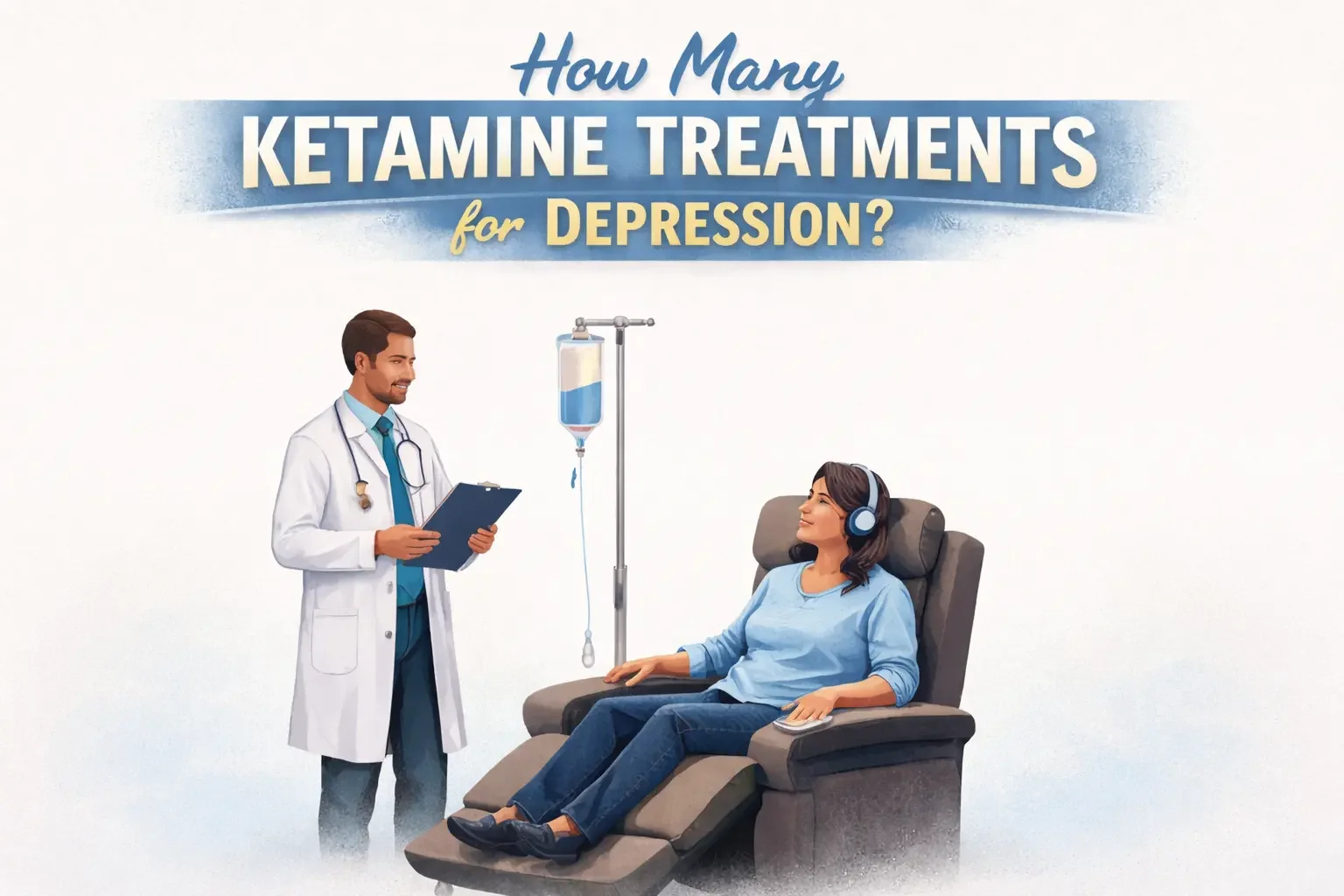
Most people with depression need 6 to 8 ketamine treatments during the initial phase, typically administered over 2 to 4 weeks. After this acute treatment phase, many patients transition to maintenance treatments, which might occur once every few weeks or months depending on individual response.
The exact number of ketamine treatments for depression varies based on several factors including symptom severity, treatment response, and individual brain chemistry. Some patients notice improvement after just 1 to 3 sessions, while others may need the full initial course before experiencing significant relief.
Medical supervision at licensed facilities like Changa Institute ensures treatment protocols are tailored to each patient's specific needs and response patterns.
What Is Ketamine Treatment for Depression
Ketamine is an FDA-approved anesthetic that has shown remarkable effectiveness in treating depression when used in controlled medical settings. Unlike traditional antidepressants that can take weeks to work, ketamine often produces rapid results.
The treatment works by targeting glutamate, a neurotransmitter in the brain that affects mood regulation and neural connections. This mechanism differs completely from standard antidepressants like SSRIs.
For depression treatment, ketamine is administered at much lower doses than used for anesthesia. The most common method is intravenous (IV) infusion, though other forms exist.
How Ketamine Depression Treatment Works
Ketamine acts on NMDA receptors in the brain, triggering a cascade of neurological changes. This process helps restore damaged neural pathways and promotes new connections between brain cells.
The treatment essentially helps "reset" certain brain circuits involved in depression. This explains why patients often experience rapid mood improvements compared to traditional medications.
During treatment, patients remain conscious and are monitored throughout the session. The infusion typically lasts 40 to 60 minutes in a controlled clinical environment.
Standard Ketamine Treatment Protocol
Acute Treatment Phase
The initial treatment phase follows a structured approach:
6 to 8 infusions total
2 to 3 sessions per week
2 to 4 week duration
Each session lasts 40 to 60 minutes
Continuous medical monitoring required
This intensive initial phase builds up therapeutic effects in the brain. The frequency allows ketamine to create lasting changes in neural pathways.
Maintenance Treatment Phase
After completing the acute phase, most patients need ongoing maintenance treatments:
Sessions occur every 2 to 6 weeks initially
Frequency gradually decreases over time
Some patients eventually need monthly treatments
Others may extend to every 2 to 3 months
The maintenance schedule depends entirely on how well symptoms remain controlled and how long the benefits last for each individual.
Factors That Affect Number of Treatments Needed
Severity of Depression
Patients with severe or treatment-resistant depression often require more sessions. Mild to moderate cases may respond with fewer treatments.
The duration of depression also matters. Long-standing depression that has lasted years may need more intensive treatment compared to recent onset cases.
Individual Response Rate
Some people are rapid responders who feel better after 1 to 3 treatments. Others are gradual responders who need the full initial course before noticing improvements.
Brain chemistry varies between individuals, which directly impacts how quickly ketamine produces results.
Previous Treatment History
Patients who have tried multiple antidepressants without success (treatment-resistant depression) might need more ketamine sessions initially. However, ketamine often works well for this group.
Those with minimal previous treatment exposure may respond more quickly.
Concurrent Mental Health Conditions
Co-occurring conditions like anxiety, PTSD, or chronic pain can affect treatment duration. These conditions may require adjusted protocols.
Patients dealing with multiple mental health challenges typically need more comprehensive treatment plans.
Lifestyle and Support Factors
Active participation in therapy, healthy lifestyle habits, and strong support systems can enhance ketamine's effectiveness. This may reduce the total number of treatments needed.
Poor sleep, substance use, or high stress levels can slow response and increase treatment requirements.
Treatment Response Timeline
Timeframe
What to Expect
First 1-3 treatments
Some patients notice initial mood improvements or reduced suicidal thoughts
Treatments 3-6
Most patients begin experiencing meaningful symptom relief
Full 6-8 session course
Maximum acute phase benefits typically achieved
Weeks to months after
Effects continue with proper maintenance schedule
The majority of patients who respond to ketamine notice some improvement within the first few treatments. However, full benefits often require completing the entire initial protocol.
IV Ketamine vs Other Forms
Intravenous (IV) Ketamine
IV ketamine is the most studied and effective delivery method for depression:
Precise dosing control
Predictable absorption
Well-established protocols
Extensive research backing
Facilities like Changa Institute use IV ketamine infusion because it allows medical professionals to monitor patients closely and adjust treatment in real time.
Other Ketamine Forms
Nasal spray ketamine (Spravato/esketamine) is FDA-approved specifically for treatment-resistant depression. It requires different dosing schedules, typically twice weekly for the first month.
Oral and sublingual forms exist but have less consistent absorption and limited research for depression treatment.
Safety and Medical Supervision
Ketamine treatment for depression must occur under proper medical supervision. Qualified healthcare providers monitor vital signs, mental state, and any side effects throughout each session.
Common side effects during infusion include:
Mild dissociation or feeling "floaty"
Slight increases in blood pressure
Temporary perceptual changes
Mild nausea (less common)
These effects typically resolve within 1 to 2 hours after treatment ends.
Licensed clinics follow strict protocols for patient safety, including screening for conditions that might make ketamine inappropriate.
Who May Need More or Fewer Sessions
May Need Fewer Sessions
First episode depression
Rapid responders to treatment
Good overall health
Strong support system
Concurrent therapy participation
May Need More Sessions
Severe, long-standing depression
Treatment-resistant depression
Multiple failed medication trials
Co-occurring mental health conditions
Limited response to initial treatments
Medical professionals adjust treatment plans based on ongoing assessment of symptoms and response.
When Improvement Typically Begins
Research shows that approximately 70% of people with treatment-resistant depression respond positively to ketamine. Many patients report feeling better within hours to days after their first few treatments.
However, sustainable improvement usually requires completing the full acute treatment course. Early relief can be encouraging, but it does not mean treatment should stop prematurely.
The goal is lasting symptom reduction, not just temporary relief. This requires building up therapeutic effects through consistent treatment.
The Role of Licensed Treatment Centers
Professional ketamine clinics provide essential elements for safe, effective treatment:
Medical screening and evaluation
Customized treatment protocols
Real-time monitoring during sessions
Adjustment of dosing as needed
Integration with other mental health care
Emergency preparedness
Changa Institute specializes in ketamine treatment for depression using evidence-based protocols. Their medical team tailors the number and frequency of treatments to each patient's unique needs and response patterns.
Working with experienced providers ensures treatment occurs in a safe, controlled environment with proper medical oversight.
Cost and Treatment Planning
The total cost depends on how many sessions you need. Initial consultation helps determine an appropriate treatment plan and estimated number of sessions.
Most patients complete the 6 to 8 session acute phase before transitioning to maintenance. Planning for both phases upfront helps set realistic expectations.
Some insurance plans now cover ketamine for treatment-resistant depression, though coverage varies. Check with your provider and the treatment clinic about payment options.
Combining Ketamine with Other Treatments
Ketamine works best as part of comprehensive depression care. Most patients continue or start psychotherapy alongside ketamine treatments.
The combination enhances overall results. Ketamine can make patients more receptive to therapy by rapidly reducing severe symptoms.
Existing antidepressant medications can typically continue during ketamine treatment. Your medical team will review all medications to ensure safety.
Is Ketamine Treatment Right for You
Ketamine may be appropriate if:
You have not responded to at least two antidepressant medications
You experience severe depression symptoms
You need rapid symptom relief
Traditional treatments have been insufficient
A thorough evaluation by qualified medical professionals determines if ketamine treatment is suitable for your situation.
Conclusion
Most people need 6 to 8 ketamine treatments during the initial phase of depression treatment, followed by periodic maintenance sessions. The exact number varies based on individual factors like symptom severity, treatment response, and overall health.
Working with experienced providers at licensed facilities like Changa Institute ensures you receive the appropriate number of treatments tailored to your specific needs. Proper medical supervision and individualized protocols are essential for safe, effective ketamine depression treatment.
If you are considering ketamine for treatment of depression, consult with qualified healthcare providers who can assess your situation and develop a personalized treatment plan.