
From Student to Practitioner: How Professional Consultation Supports Ethical Psychedelic Practice
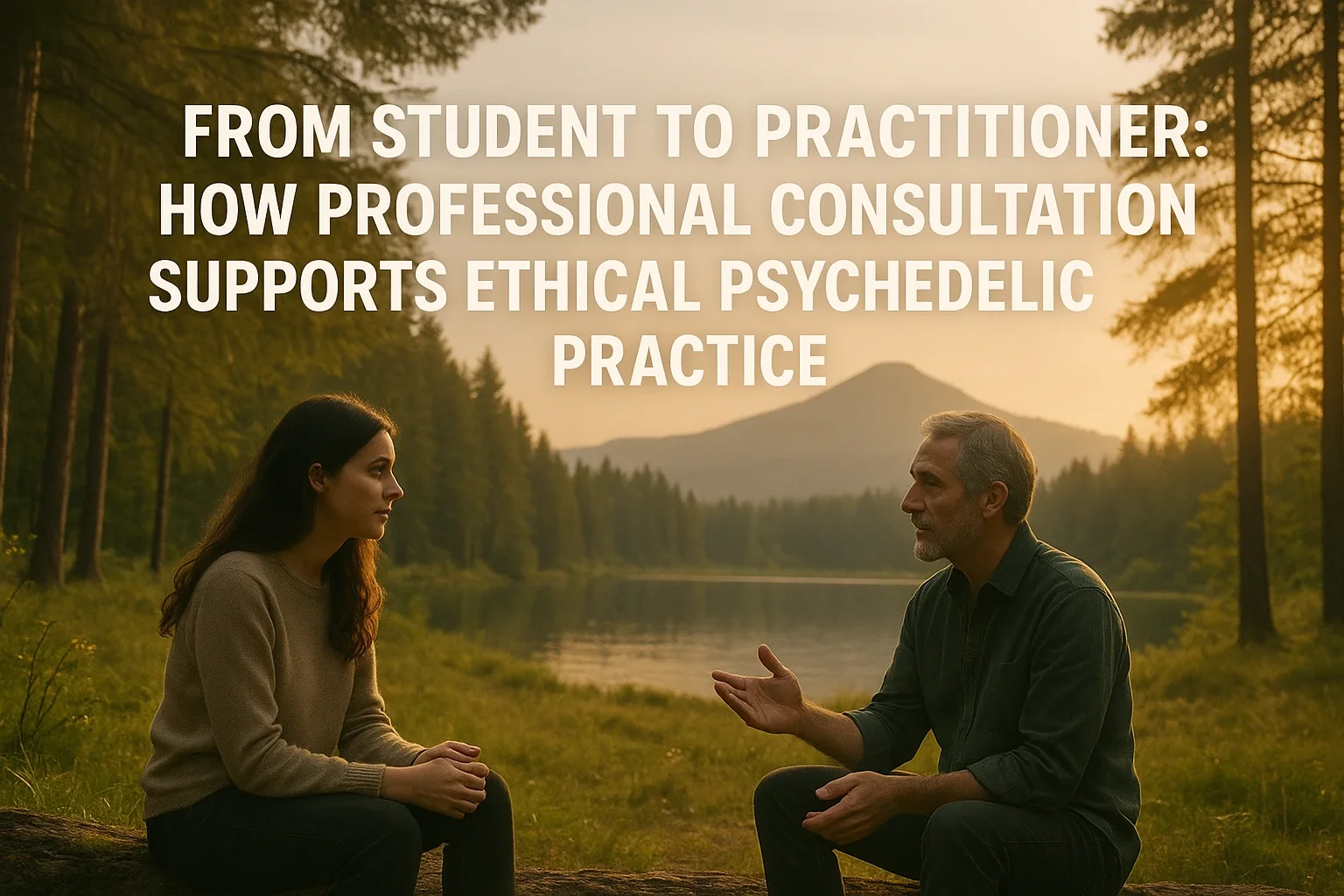
I remember finishing my psilocybin facilitator training and thinking, Okay, now what? I had all this knowledge in my head. I passed my exams. I understood the theory. But the moment I sat across from my first real client, everything felt different. The textbook scenarios suddenly had actual faces and real emotions attached to them.
That gap between knowing something and actually doing it? That is where most new facilitators struggle. And honestly, that is exactly where psychedelic professional consultation becomes the thing that separates confident practitioners from people who burn out or make avoidable mistakes.
If you are anywhere on the path from student to working facilitator, this is the stuff nobody really explains until you are already knee deep in it.
Training Teaches You the Rules, Not the Real World
Most facilitator programs are solid. Places like Changa Institute put together curricula that cover safety protocols, ethical frameworks, harm reduction, and the science behind psychedelic therapy. You learn how sessions should go. You study what to do when things go sideways.
But here is the thing. Training programs cannot possibly prepare you for every situation. They give you the foundation, sure. But the first time a client has a reaction you did not see coming, or when someone shares trauma that hits way harder than any case study, that is when you realize the gap between classroom and practice room.
I talked to a facilitator in Oregon last year who told me her first three months felt like starting over. She had done all the required hours. She knew the material cold. But sitting with real people doing real healing work made her question everything she thought she knew.
This is not a failure of training. This is just how skill development works. You need the knowledge first. Then you need guided practice to turn that knowledge into instinct.
What Psychedelic Professional Consultation Actually Looks Like
So what does professional consultation mean in this field? It is not just another class to sit through. It is ongoing support where you bring your actual cases, your actual questions, and your actual struggles to someone who has already navigated those same waters.
In Colorado, state regulations now require 50 hours of consultation over six months for psilocybin facilitators. That is not arbitrary. Regulators recognized that licensing someone based only on coursework leaves a gap. The consultation requirement exists because real competence develops through guided experience, not just exams.
Changa Institute runs professional consultation programs specifically designed for this transition period. You are supported by knowledgeable facilitators who have been part of numerous sessions. They assist you in dealing with challenging situations, polishing your method, and identifying areas that you do not realize before they become issues.
It is a lot like the time doctors have to spend in hospital training after they graduate from medical school. You have the qualification, but you still need to be overseen, while your abilities have to be really strong.
Why Facilitator Mentorship Changes Everything
Here is something that surprised me. The facilitators I know who sought out mentorship early in their careers are not just more competent. They are happier in their work. They report less burnout, more confidence, and better outcomes with clients.
Facilitator mentorship is different from standard supervision. A mentor is invested in your long-term growth. They are not just checking boxes or making sure you follow protocols. They are helping you develop your own style, understand your strengths, and work through your personal stuff that comes up in this work.
Because trust me, your own stuff will come up. Psychedelic facilitation puts you in close contact with deep human experiences. If you have not processed your own trauma, sitting with someone else processing theirs can get messy fast.
Good mentors create space for that. They help you recognize when you are getting triggered, when you are overidentifying with a client, when you are bringing your own baggage into someone else's session.
Integration Training Services and Ongoing Development
The other piece that makes a huge difference is integration training services. Many people are so caught up with the facilitation that they tend to forget that the aftermath of the session is equally important.
Indeed, change is where it really counts. It is possible for an individual to go through a deep experience in a session and then be left without support to comprehend that experience and to use it in their life, and hence, most of the therapeutic potential will be wasted.
Learning to guide integration well takes practice. It requires different skills than facilitation itself. You need to help people translate mystical or confusing experiences into practical changes. You need to support them when the initial glow fades, and they are back in their regular lives, wondering what the heck happened.
Integration training services teach you frameworks for this work. They give you tools to help clients process everything from challenging trips to beautiful ones, from insights that are immediately clear to ones that take months to understand.
Building a Psychedelic Career That Lasts
Psychedelic career support is not just about getting licensed and finding clients. It is about building something sustainable. This field is demanding. The emotional weight of the work can be heavy. Without proper support systems, people flame out.
I have seen highly skilled facilitators quitting their jobs in less than two years because they were trying to manage everything by themselves. They did not go to the consultation hours, they avoided the peer support groups, and they assumed that they could solve everything on their own.
Those who succeed are the ones who continuously develop their professional skills.
They join consultation groups. They find mentors. They attend workshops and trainings even after they are fully licensed. They recognize that this work requires continuous growth.
Changa Institute offers virtual consultation groups specifically for this. You connect with other providers, discuss cases, share best practices, and stay current with how the field is evolving. It is casual enough to feel supportive but structured enough to actually help you improve.
The Ethical Responsibility We All Share
Here is the part that matters most to me. This field is young. The legal frameworks are still being built. Public perception is still forming. Every facilitator who cuts corners or causes harm makes it harder for everyone.
Professional consultation is not just about protecting yourself from mistakes. It is about protecting the field itself. When you get proper support and do this work well, you become part of building something bigger. You help establish what ethical psychedelic practice actually looks like.
The facilitators coming out of strong programs with solid consultation support are the ones who will shape how this industry develops. They are setting standards, creating norms, and showing what is possible when psychedelic therapy is done right.
Making the Transition Work
If you are currently in training or have recently finished, do not rush past the consultation phase. I know it feels like another hurdle. I know you want to get out there and start helping people. But this is where your real education happens.
Find a program that offers strong post-training support. Look for places like Changa Institute that understand the journey does not end when you get your certificate. Ask about their consultation options, their mentorship structure, and their ongoing professional development offerings.
The best practitioners I know never stop learning. They stay curious, stay humble, and stay connected to others doing this work. That is what turns good training into great practice.
Your future clients deserve someone who took the time to develop real competence. You deserve a career that is sustainable and fulfilling. Both of those things start with investing in proper professional consultation.
The gap from student to practitioner is real. But with the right support, it becomes the most valuable part of your entire journey.