
Add Your Voice to the FDA’s September 2026 Public Hearing on Psychedelics

The future of psychedelic care should not be shaped without the people who understand its possibilities, responsibilities, and real-world challenges.
Date: September 14, 2026
Time: 12:30 p.m. to 4:30 p.m. Eastern Time
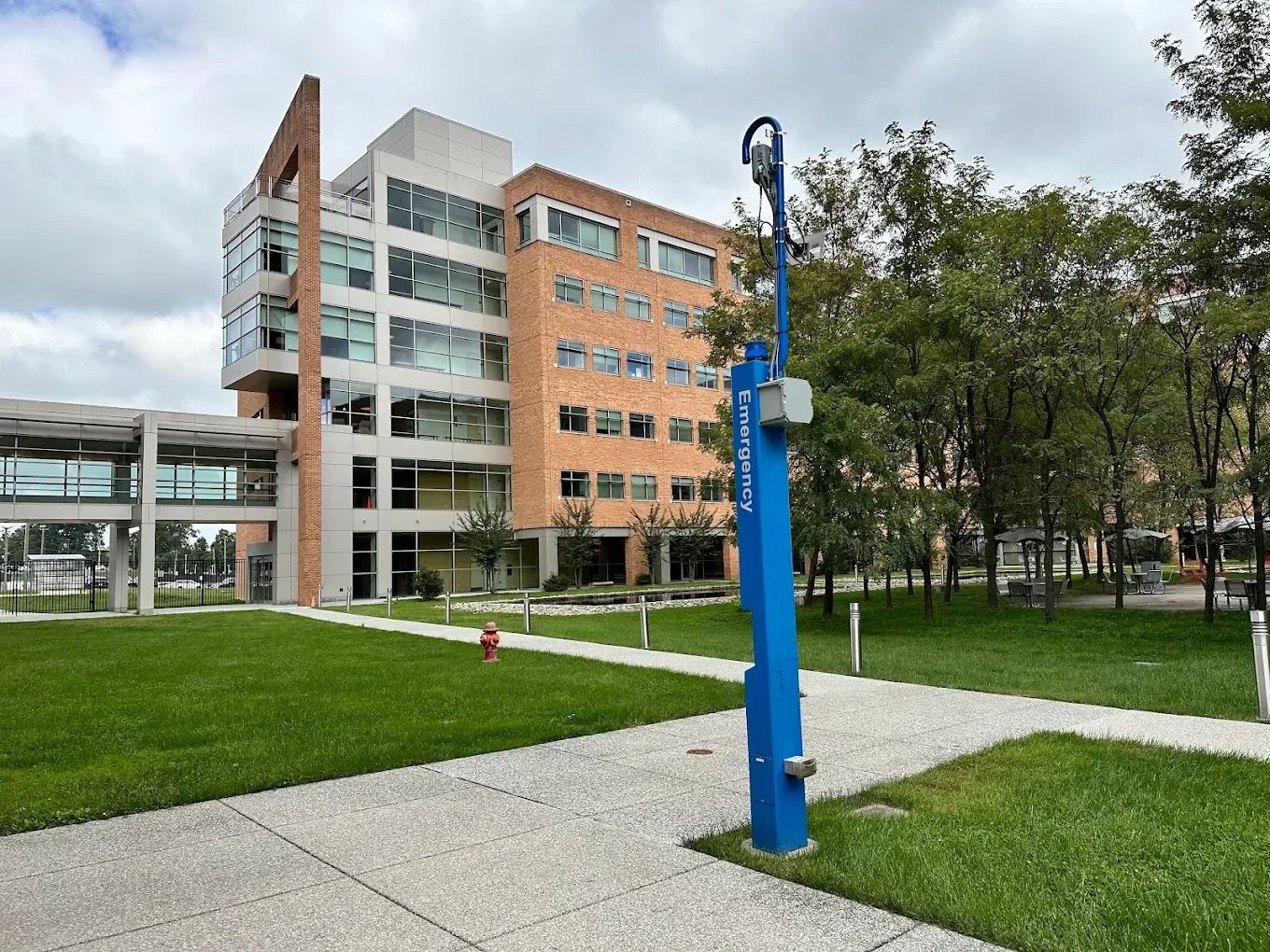
Location: Virtual: Via webcast; In Person: FDA’s White Oak Campus, Building 31, Room 1503 - Great Room, 10903 New Hampshire Avenue, Silver Spring, Maryland 20993
On this date, the U.S. Food and Drug Administration will host a public hearing titled “Considerations for Potential Future Therapeutic Use of Psychedelic Drugs.” The hearing will explore issues related to the possible therapeutic use of psychedelic drug products in supervised and supportive settings.
This is an important opportunity for the broader psychedelic community to participate in a federal conversation that may influence future research, regulation, professional practice, and models of care.
Researchers, clinicians, educators, advocates, clients, caregivers, Indigenous knowledge holders, service-center operators, training providers, and people with lived experience all have something meaningful to contribute. The perspectives of active licensed psilocybin facilitators operating in Oregon and Colorado are especially important, because these professionals are already working within regulated systems and can speak directly to what safe, ethical, supervised psychedelic services require in practice.
The hearing will include options to participate virtually or in person at the FDA’s White Oak Campus in Maryland. The agency is also accepting requests to provide oral testimony and written comments.
Why This Hearing Matters
The FDA is seeking feedback on the potential future therapeutic use of psychedelic drug products in supervised and supportive environments.
Those words may sound straightforward, but they raise complex questions.
What makes a setting genuinely supportive? What preparation should occur before a psychedelic experience? How should consent be communicated? What qualifications should facilitators and other professionals possess? How should challenging experiences, adverse events, medication concerns, and follow-up support be handled? How can future systems protect safety without excluding communities that already face barriers to care?
These questions cannot be answered by clinical trial data alone.
Researchers can provide evidence on efficacy, dosing, study design, and safety monitoring. Physicians and mental health professionals can contribute medical and diagnostic perspectives. People with lived experience can explain how care feels from the participant’s side.
Facilitators, educators, service operators, and community members can add practical knowledge about preparation, trust, ethics, cultural responsiveness, professional boundaries, and the realities of delivering support.
Public policy is stronger when it reflects multiple forms of credible knowledge.
Why Oregon and Colorado Facilitators Should Participate
Oregon and Colorado are among the first states to establish regulated frameworks for legal psilocybin and natural medicine services.
Under the Oregon Health Authority’s Oregon Psilocybin Services program, licensed facilitators support clients through preparation, administration, and integration while following state requirements related to safety, scope of practice, consent, documentation, and professional conduct.
Oregon is also producing real-world service data. The state reported that 1,509 clients received regulated psilocybin services between January and April 2025, providing early insight into public demand and service delivery within a supervised model.
Colorado is developing its own professional framework through the Department of Regulatory Agencies, or DORA. The state has established pathways for facilitators, clinical facilitators, facilitators in training, and approved training programs, along with standards for education and continuing professional development.
These systems are not identical to a potential future FDA-regulated therapeutic model. However, the professionals working within them have firsthand experience with many of the same issues federal regulators are now examining.
Active facilitators can speak to:
Client preparation and expectation setting
Screening and service eligibility
Informed consent and professional boundaries
Non-directive support
Challenging emotional or physiological experiences
Safety and emergency planning
Integration and follow-up
Documentation and reporting
Cultural humility and equitable participation
Training standards and continuing education
This kind of operational insight can help the FDA better understand how supervised psychedelic care functions beyond a research protocol.
Every Voice and Lived Experience Matters

Participation should not be limited to licensed professionals.
People who have received psychedelic services may be able to describe what helped them feel safe, what was confusing, which practices built trust, and where support could have been stronger.
Caregivers and family members may offer insight into preparation, recovery, and the wider impact of psychedelic experiences. Educators can comment on professional competencies. Researchers can identify evidence gaps. Advocates can address cost, disability access, cultural inclusion, rural service shortages, and other barriers.
The FDA should also hear from people who have had difficult, disappointing, or harmful experiences.
A responsible public record should include more than positive stories. It should reflect uncertainty, limitations, ethical concerns, unintended consequences, and recommendations for improving future systems.
Lived experience is not a substitute for scientific evidence, but it can reveal questions that formal studies may overlook. Evidence and experience are most useful when they inform one another.
Participation Is an Act of Professional and Community Leadership
Submitting written feedback or offering oral testimony helps create a public record that reflects more than institutional, pharmaceutical, or academic perspectives.
It also supports an important career outcome for emerging psychedelic professionals: greater recognition of trained facilitators, educators, and service providers as serious contributors to conversations about ethics, safety, regulation, and standards of care.
For licensed facilitators in Oregon and Colorado, participation is particularly valuable. These professionals are helping define a new field in real time. Their insight can help federal leaders understand what works, what remains difficult, and what future systems must get right.
For everyone else in the community, this is still your conversation too.
The future of psychedelic care will affect clients, families, practitioners, researchers, educators, and communities across the country. Federal decision-makers should hear from the people who will live with the consequences of the policies they create.
Register and Submit Your Perspective
The FDA public hearing will take place on September 14, 2026, from 12:30 p.m. to 4:30 p.m. ET, with virtual and in-person participation available.
Register for the hearing, request an opportunity to provide oral comment, and submit written feedback through the official FDA and Federal Register pages:
Register to attend or request to present
Review the notice and written-comment process
Every voice, lived experience, and evidence-based insight matters. Add yours, and encourage your network to participate.
